The Rhythm of Chrome
Understanding the calendar is the biggest edge you can have.
Every angler on the river has the same flies, the same jigs, the same floats. The ones who consistently catch chrome have something the rest don't: they understand the rhythm.
Great Lakes steelhead operate on a seasonal clock that is remarkably predictable year after year. The specific dates shift — an early cold snap in October can advance the run by two weeks, a warm February can delay spring staging — but the pattern holds. Fish arrive in fall, driven by cooling water and rising flows. They settle into winter lies as temperatures drop. They wake up in spring as the water warms, stage on gravel, spawn, and drop back to the lake. Eight months. One complete cycle.
The angler who shows up with November tactics in January gets skunked. The angler who fishes deep winter jigs in October misses the aggressive chrome screaming through the lower river on every rain pulse. Matching your approach to the season isn't optional — it's the whole game.
This playbook breaks down each phase of the Great Lakes steelhead season across Ohio, Pennsylvania, and New York tributaries. Water temperatures, flow expectations, where fish hold, what they eat, and the techniques that actually work — month by month, from the first chrome of October to the last dropbacks of May.
The river doesn't care about your favorite technique. It cares about the calendar, the thermometer, and the rain gauge. Learn to read all three and you'll never wonder where the fish are.
One critical note before we dive in: every month listed here is a generalization. Your local river might run two weeks ahead or behind. Latitude matters — New York's Salmon River sees later fall runs and later spring spawning than Ohio's Rocky River. Elevation matters. Dam releases matter. Use this playbook as a framework, then calibrate it to your home water by watching the data. That's what the conditions dashboard is built for.
October: The Arrival
The first chrome pushes in — and they're angry.
October is anticipation made real. Lake Erie has been cooling since September, and the steelhead massed along the shoreline are getting restless. All they need is a trigger. The first significant rain event — a solid inch or more — sends the earliest fish surging into the tributaries, and the season begins.
These first-push fish are something special. They are the most aggressive steelhead you will encounter all season. Chrome-bright, full of energy from months of open-water feeding, and completely unaware of what a jig looks like. They haven't been pressured, they haven't seen a float, and they will chase down presentations that a January fish wouldn't look at twice.
The catch: they're concentrated in the lower reaches of the river. First-push steelhead rarely travel far upstream in October. They hold in the first pools, the deep bends near the mouth, the tailouts of the first few runs. If you're hiking two miles upstream in early October, you're walking past every fish in the river.
October at a Glance
-
🐟
Water Temp: 50-58°F — still warm, fish are high-energy and aggressive. Metabolism is running hot.
-
🐟
Flow: Typically low base flow punctuated by rain spikes. The spikes are everything — low-and-clear October rivers hold few fish. Time your trips to the 24-48 hours after rain events.
-
🐟
Best Techniques: Float fishing with 1/16 to 1/8 oz jigs, aggressive swinging with streamers, hardware (spinners and spoons). Fish are willing to move for a meal — big presentations work.
-
🐟
Best Colors: Chartreuse, white, pink, olive. Bright, visible patterns that trigger reaction strikes. In stained water, don't be afraid to go gaudy.
-
🐟
Where Fish Hold: Lower river — first deep pools, bridge abutments, any structure within the first mile of the mouth. Behind current breaks in the lower runs.
Pro Tip
Don't wait for the "official" run to start. Set up alerts on our conditions dashboard for your home water and watch for the first significant rain event when lake temps drop below 60°F. The anglers who catch the first push are the ones who were paying attention before anyone else was thinking about steelhead.
November: Peak Fall Run
The single best month for steelhead fishing. Period.
If you can only fish one month of the year, fish November. This is the month when everything aligns: fish density is at its highest, fresh chrome pushes in with every weather system, and the fish haven't been hammered by months of pressure yet. Every technique works. Every skill level catches fish. November is the great equalizer.
By early November, lake temperatures have dropped into the low 50s, and the biological trigger is fully engaged. Steelhead are running in waves. A significant rain event on an Ohio or Pennsylvania tributary in mid-November can put hundreds of fresh fish into a single river in 48 hours. Walk into the right pool on the right day and you'll see chrome rolling on the surface, dark shadows stacking in every seam, and that electric tension that means you're about to have a very good morning.
The rivers themselves are typically in prime shape — enough water to move fish upstream but not blown out, cool enough to keep fish active but not cold enough to slow them down. Stained water after rain is the sweet spot. You can see your jig at arm's length but the fish can't see you at 20 feet. That's game time.
November at a Glance
-
🐟
Water Temp: 42-52°F — the sweet zone. Fish are active, feeding aggressively, and willing to chase. This is the optimal metabolic window for steelhead.
-
🐟
Flow: Frequent rain systems keep rivers charged. Expect multiple fishable windows per week. The hydrograph becomes your best friend — learn to read the rise-and-fall pattern.
-
🐟
Best Techniques: Everything works. Float fishing with 1/8 oz jigs is king. Nymphing under an indicator, swinging streamers, even hardware. Match your technique to the water conditions, not your ego.
-
🐟
Best Colors: Stained water: chartreuse, pink, orange, cerise. Clearing water: black, olive, white, natural tones. Egg patterns start producing — Oregon cheese, chartreuse, and peach.
-
🐟
Where Fish Hold: Fish are distributed throughout the river now. Look for them in classic holding water: heads and tailouts of pools, inside seams, current breaks behind boulders, undercut banks, and the transition zones between fast and slow water.
Pro Tip
November weekends on popular rivers look like rush hour. If you have any flexibility, fish mid-week. Tuesday through Thursday you'll find the same fish density with a fraction of the pressure. If weekends are your only option, be on the water at first light — most weekend warriors roll in around 9am. The early bird doesn't just get the worm; it gets the entire pool to itself.
December: The Transition
The river slows down. Your approach should too.
December is where the casual anglers disappear and the committed ones level up. Water temperatures are dropping through the low 40s into the upper 30s, and the fish feel it. The aggressive chrome of November has settled into winter mode — holding in slower, deeper water, conserving energy, and becoming increasingly selective about what they'll eat.
This is the transition month. Early December can still fish like late November, especially if a mild weather pattern holds. But by mid-month, the character of the fishing changes fundamentally. Presentations need to slow down. Jig sizes need to shrink. Drifts need to be longer, more deliberate, more precise. The "close enough" presentations that worked in November won't even get a look now.
The weather gets brutal. Wind chills below zero, ice in the guides, numb fingers that make retying a leader an act of will. But here's the reward: the rivers are emptying of other anglers. The holes that were shoulder-to-shoulder in November? You might have them to yourself. And the fish are still there — they don't leave until spring.
December at a Glance
-
🐟
Water Temp: 35-44°F — dropping through the transition zone. Fish activity correlates directly with temperature now. A two-degree warming trend in the afternoon can turn a dead day into a hot bite.
-
🐟
Flow: Rain events become less frequent. Snow may contribute to slow, steady base flow. Fewer dramatic spikes, but fresh pushes still happen — watch for rain-on-snow events that send quick pulses into the system.
-
🐟
Best Techniques: Float fishing with 1/32 to 1/16 oz jigs — downsize from November. Nymphing with small stonefly and egg patterns under a tight-line rig. Dead-drifted egg sacks. Slow is the word of the month.
-
🐟
Best Colors: Black and olive dominate in clear water. Dark brown and natural tones. Egg colors shift toward subtler shades: peach, pale pink, Oregon cheese. Dark over bright is the general rule.
-
🐟
Where Fish Hold: Deeper, slower water. Winter lies: the deepest slots in pools, the soft inside bends, log jams with deep scour holes, any spot that offers depth and current relief. Fish are energy-conscious now — they won't fight current to eat.
Pro Tip
Keep a bottle of lip balm-style reel oil in your vest. When ice builds up in your guides, rub it on the guide rings — it sheds water and slows ice formation. Spray cooking oil works in a pinch. Also: bring a thermos of something hot. December fishing is as much a mental game as a tactical one. Comfort extends your effective fishing time.
January-February: Deep Winter
The grind. The quiet. The beauty of having a river to yourself.
This is where steelheading becomes a meditation practice. January and February are the toughest months on the calendar — water temperatures hover in the mid-30s, fish metabolism has slowed to a crawl, and the weather is genuinely punishing. Most anglers are sitting at home tying jigs, waiting for spring. The ones on the river right now? They're a different breed.
And here's what they know that the couch-sitters don't: the fish are still there. They're holding in the same deep winter lies they moved into in December, and they will eat — just slowly, selectively, and on their own terms. A deep-winter steelhead doesn't chase. It doesn't react. It makes a calculated decision to open its mouth and inhale something that drifted directly past its nose at exactly the right speed and depth.
This demands precision. Your jig needs to be in the strike zone — a window measured in inches, not feet. Your drift needs to be dead-natural — any drag, any unnatural movement, and the fish won't bother. The reward for this precision is a quiet, almost spiritual connection with a river that most people have abandoned. And when a steelhead does eat in January, the fight in 34-degree water is a slow, dogged, deep-pulling affair that feels completely different from the acrobatics of fall chrome.
January-February at a Glance
-
🐟
Water Temp: 33-38°F — the bottom of the range. Below 34°F, fish are nearly dormant. Any warming trend — even a degree or two — can activate a bite window. Watch the thermometer religiously.
-
🐟
Flow: Generally stable, low base flows. Snow melt can cause gradual rises during warm spells. Ice jams can create dangerous and unpredictable conditions — always be aware of shelf ice and anchor ice upstream of your position.
-
🐟
Best Techniques: Float fishing with 1/64 to 1/32 oz jigs — the smallest in your box. Tight-line nymphing with small egg patterns, midge clusters, tiny stoneflies. The drift must be perfect. No shortcuts.
-
🐟
Best Colors: Subtle and natural. Black, dark olive, brown, cream. Egg patterns in muted tones — pale peach, cream, light pink. Save the chartreuse for when the water stains up after a melt event.
-
🐟
Where Fish Hold: The deepest, slowest water available. Scour holes behind log jams, the absolute bottom of deep pools, inside bends with minimal current. Fish will stack in these lies — if you find one, there are probably more. Don't move on too quickly.
Pro Tip
Fish the warmest hours: 11am to 3pm. In deep winter, water temps can swing 2-4 degrees between early morning and early afternoon, and that swing makes all the difference. Don't be a hero at dawn — sleep in, arrive at 10:30, and fish the productive window. Also: if you see a midday sun break with temps climbing above 36°F and a falling barometer, drop everything and go. That's a winter bite window.
March: Spring Awakening
The water warms, the fish wake up, and the second-best month begins.
March is the rebirth. After two months of grinding through deep winter, the increasing daylight and warming trends bring the rivers back to life. Water temperatures climb through the upper 30s and into the 40s, and something fundamental shifts in the steelhead's behavior. They start moving. They start feeding with purpose. They start staging near gravel, their biological imperative building toward the spawn.
For anglers, March is the second-best month of the season — and arguably the most exciting. Fresh chrome pushes still happen with spring rain events, mixing with overwintered fish that are regaining their aggression. The rivers are often charged with snowmelt and rain, keeping visibility in that perfect stained-to-clear window. And fish are concentrated in predictable locations: the runs and tailouts above spawning gravel, the staging pools below riffles, and the classic holding lies throughout the mid-river.
This is when egg patterns become king. Steelhead feed heavily on the eggs of early-spawning fish, and a well-presented egg sack, bead, or egg fly is almost unfairly effective. If you've been waiting all winter for the fishing to get "easy" again, March is your month. It's also the best time for a beginner to experience steelheading without the November crowds — fish are accessible, techniques are straightforward, and the weather is merely unpleasant rather than actively hostile.
March at a Glance
-
🐟
Water Temp: 38-48°F — climbing through the activation zone. Every degree warmer means more active fish. The magic number is 40°F — above that, the bite turns on noticeably.
-
🐟
Flow: Highly variable. Spring rain + snowmelt = big water events. Rivers can blow out fast and drop fast. The window fishing is excellent — catch the drop after a rain event and you'll find fresh fish stacked in every run.
-
🐟
Best Techniques: Egg patterns dominate — egg sacks, beads, Glo Bugs, sucker spawn. Float fishing with 1/16 to 1/8 oz jigs in egg colors. Nymphing with egg-stonefly tandems. Streamers on warming afternoon swings.
-
🐟
Best Colors: Egg colors: Oregon cheese, chartreuse, peach, pale pink, cerise. Jig colors: chartreuse/white, pink/white, cerise. Natural patterns work too — don't forget black and olive as water clears.
-
🐟
Where Fish Hold: Staging water below spawning riffles. Tailouts above gravel bars. The transition zones between pools and runs. Fish are moving upstream with purpose now — they'll hold in classic lies but they're not as locked-in as winter fish. Cover water.
Pro Tip
March is the month to fish upstream. While October and November fish are concentrated in the lower river, March fish have moved into the mid and upper reaches. Walk past the crowds at the easy-access lower pools and hike upstream to the staging water. The effort pays off — less pressure, more willing fish. Bring spawn sacks in three sizes and let the water clarity dictate your choice: big in dirty water, small in clear.
April: The Spawn & Beyond
Spawning, ethics, dropbacks, and a changing river.
April is the most complex month of the steelhead season — both tactically and ethically. Spawning activity peaks across most Great Lakes tributaries. You'll see fish paired on gravel, tails fanning redds, males competing for position. The river is alive with biological purpose, and as anglers, we need to navigate that with some thought.
Let's address the elephant in the river: fishing over spawning fish is legal in most waters, but it's a decision worth making consciously. Many experienced steelheaders choose to avoid active redds entirely, targeting instead the fish staging below spawning areas or holding in non-spawning runs. Others fish over redds with the understanding that most Great Lakes steelhead are hatchery fish and that egg mortality from natural causes far exceeds angling impact. There's no universally "right" answer, but there is value in thinking about it before you encounter the situation on the water.
Beyond the spawning fish, April offers excellent fishing for dropbacks — fish that have spawned and are heading back downstream toward the lake. These post-spawn steelhead are hungry, often aggressive, and can be found in the pools and runs below spawning areas. They're leaner than pre-spawn fish, but they fight with a desperate energy that's uniquely April. Streamers swung through the tailouts below spawning riffles can produce explosive strikes from dropbacks that have been waiting for exactly that kind of meal to swim past.
April at a Glance
-
🐟
Water Temp: 42-55°F — warming rapidly. Spawning typically peaks when water temps hold in the 42-48°F range. Above 50°F, most spawning activity is wrapping up on Ohio tribs (NY rivers lag behind).
-
🐟
Flow: Spring rain keeps rivers active. Runoff from snowmelt (especially on NY Lake Ontario tribs) can create extended high water events. Fish are used to moving water now — they'll feed in moderate current that would have been too strong in January.
-
🐟
Best Techniques: Swinging streamers for dropbacks — woolly buggers, sculpin patterns, and small intruders. Egg patterns under a float for staging fish. Beads pegged above the hook. Sucker spawn clusters below active redds.
-
🐟
Best Colors: Egg colors still dominate for staging fish. Streamers: olive, black, white, rust. Jigs: pink/white, cerise, olive/orange combinations. Sucker spawn in pale pink and white.
-
🐟
Where Fish Hold: Three populations: spawners on gravel (leave them be), staging fish in the pools and runs immediately below redds, and dropbacks working downstream through classic holding water. Focus on the latter two.
Pro Tip
Target the "in-betweeners" — fish that have finished spawning in the upper reaches and are dropping downstream, pausing in the mid-river holding water that was full of fish in November. Swing a black woolly bugger on a sink-tip line through these runs in the afternoon when water temps peak. Dropback steelhead are hungry and aggressive, and the swing bite in April can be the most exciting fishing of the entire season.
May: Last Call
The bittersweet end. Dropbacks, warm water, and an empty river.
May is the epilogue. Most Ohio and Pennsylvania tributaries are winding down — water temps are pushing into the upper 50s, the last dropbacks are funneling through the lower river toward the lake, and the trees along the bank have leafed out so thoroughly that the river barely looks like the same place you fished six months ago. It's warm. It's green. It's quiet.
But there are still fish to catch. Dropback steelhead heading to the lake can stack up in the lower pools, especially after rain events that give them the water they need to move. These are lean, battle-scarred fish — dark-backed, red-striped, thinned out from the winter and the spawn. They're not the chrome rockets of November. But they eat streamers with a violence that suggests they're making up for lost time, and landing a steelhead in a t-shirt on a warm spring evening is a different kind of magic than anything the winter months offer.
New York's Lake Ontario tributaries — the Salmon River, Oak Orchard Creek, Sandy Creek — run later than the Ohio and Pennsylvania tribs. May can still produce good fishing on these rivers when the Steelhead Alley waters are essentially done. If you're willing to make the drive, the season extends another two to three weeks east.
May at a Glance
-
🐟
Water Temp: 50-62°F — warm and rising. Above 58°F, steelhead stress increases significantly. Fish early morning when water is coolest. Handle fish quickly and minimize fight time.
-
🐟
Flow: Variable. Spring storms can still charge rivers, but dry stretches mean low, clear water. Dropbacks move downstream on rain pulses — if you're targeting them, time your trips to the 12-24 hours after rain.
-
🐟
Best Techniques: Swinging streamers is the move. Dropbacks are actively feeding and will chase. White and olive woolly buggers, small clousers, and sculpin patterns on a sink-tip line. Float fishing with egg patterns still works for any staging fish that remain.
-
🐟
Best Colors: Streamers: white, olive, black/purple, rust. Natural baitfish imitations. Think "food that lives in the river" — crayfish, sculpins, dace. The egg pattern season is essentially over.
-
🐟
Where Fish Hold: Lower river. Dropbacks are funneling toward the lake through the same pools and runs where fish first entered in October. Deep, shaded pools with cooler water. Areas with current that pushes toward the lake mouth.
Pro Tip
If water temps are above 58°F, practice catch-and-release with extreme care — or consider not fishing for steelhead that day. Warm water reduces a fish's ability to recover from the stress of being caught. Barbless hooks, quick fights, and keeping the fish in the water during release are essential. Better yet, switch to smallmouth bass — they're starting to fire up in the same rivers, and they don't mind the warmth.
Summer: The Off-Season Plan
When the steelhead window closes, stay on the water without stressing warm trout.
June through September is not dead time. It is the reset. Great Lakes tributaries warm quickly, steelhead slide back to the lake, and the same anglers who watched flow, temperature, rain, shade, and bait movement all winter can use those habits on summer fish. The target changes, but the discipline does not.
When river temperatures push beyond the safe steelhead range, make the ethical switch. Warm-water species are built for this season, and many of them live in or near the same systems you already know. Use the summer fishing hub as the broad plan, then narrow the day around current, clarity, forage, and access on the river conditions dashboard.
Summer Targets
Rock, current breaks, creek mouths, and lakefront structure become the summer replacement for classic steelhead runs.
Low-light shorelines, harbors, reef edges, and stained-water windows reward the same timing mindset steelheaders already use.
A practical family-friendly summer option when tributaries are too warm and lake conditions are stable enough to fish.
Weed edges, backwaters, marina cuts, and cooler inflows give aggressive anglers a strong off-season predator target.
Summer Rule
If the question is whether steelhead are too stressed, assume they are and fish something else. The site should help anglers make that turn instead of trying to stretch the steelhead season past its responsible endpoint.
Reading the Signs
How to use data to pick the right day — every time.
Knowing the seasonal patterns is the foundation. But the anglers who consistently catch more fish have one more edge: they know how to read the day-to-day signals that tell them whether today is the day to call in sick or the day to stay home and tie jigs.
Four variables drive steelhead behavior on any given day: flow, water temperature, barometric pressure, and weather. Master these and you'll stop guessing and start knowing.
The Four Variables
-
🐟
Flow (CFS): Rising water triggers migration and activates fish. The sweet spot is the dropping phase 12-48 hours after a rain event — enough color to give you an advantage, enough clarity to find your jig. Blown out is unfishable. Dead low and clear makes fish spooky. Our river gauge system shows real-time flow and a 72-hour sparkline so you can see exactly where you are on the hydrograph.
-
🐟
Water Temperature: The master switch. Below 34°F: fish are nearly dormant. 38-50°F: the prime zone where fish actively feed. Above 55°F: stress responses begin. A rising temperature trend in the afternoon can trigger bites that didn't exist in the morning. Always carry a stream thermometer — or check our Chrome Clock, which displays real-time water temp on every river page.
-
🐟
Barometric Pressure: The subtlest signal but the most consistent. A falling barometer — ahead of an incoming front — is the best fishing window in steelheading. Fish feed aggressively before weather systems arrive. A steady, high barometer after a front passes often means a tough bite. Our Chrome Clock displays barometric pressure with a trend arrow so you can spot the pre-front window without checking a weather app.
-
🐟
Weather Forecast: Overcast days with light rain outfish bluebird days by a wide margin. Cloud cover reduces light penetration, making fish less wary. Wind can be an advantage on larger rivers — it breaks up the surface and conceals your presence. Check our 7-day fishing forecast for per-day fishing scores that combine all these variables.
The ideal day on paper looks like this: a falling barometer with overcast skies, water temps between 40-48°F, and a river that's on the drop after a rain event two days ago — still carrying some stain but clearing. You can see your jig at two feet, the fish can't see you at fifteen. That's when you call in sick.
The good news: you don't have to track all this manually. That's exactly why we built the conditions dashboard — real-time flow, water temperature, clarity, barometric pressure with trend arrows, and a fishing recommendation for every river, updated every 15 minutes. The Chrome Clock on each river page gives you a 28-hour forward-looking view that combines solar data, weather, and river conditions into a single visual. Use the tools. They work.
Frequently Asked Questions
The questions we hear most about seasonal steelhead tactics.
Frequently Asked Questions
The questions we hear most about timing, seasons, and reading conditions.
Ready to Read the River?
Check real-time conditions on all 31 rivers. The Chrome Clock shows you when to go. The flow gauge tells you how to fish. The forecast tells you what's coming.
"Spawn to Be Wild"
Recommended Gear
Hand-picked products for this guide. Prices and availability may change.

SUJAYU Fishing Gloves Men & Women, Ice Fishing Gear Hunting Gloves for Men Cold Weather, Kayak Gloves Fly Fishing Gear Cold Weather Hunting Gear
$8.99

Fishing Glove
$8.99

KastKing Gill Raker Gloves, UPF 50 FrostWeave Yarn Cooling Fabric, Non-Slip Grip, Quick-Dry, Short Cuff Comfort, Reflective Logo, Fishing, Hiking, Outdoors
$13.29
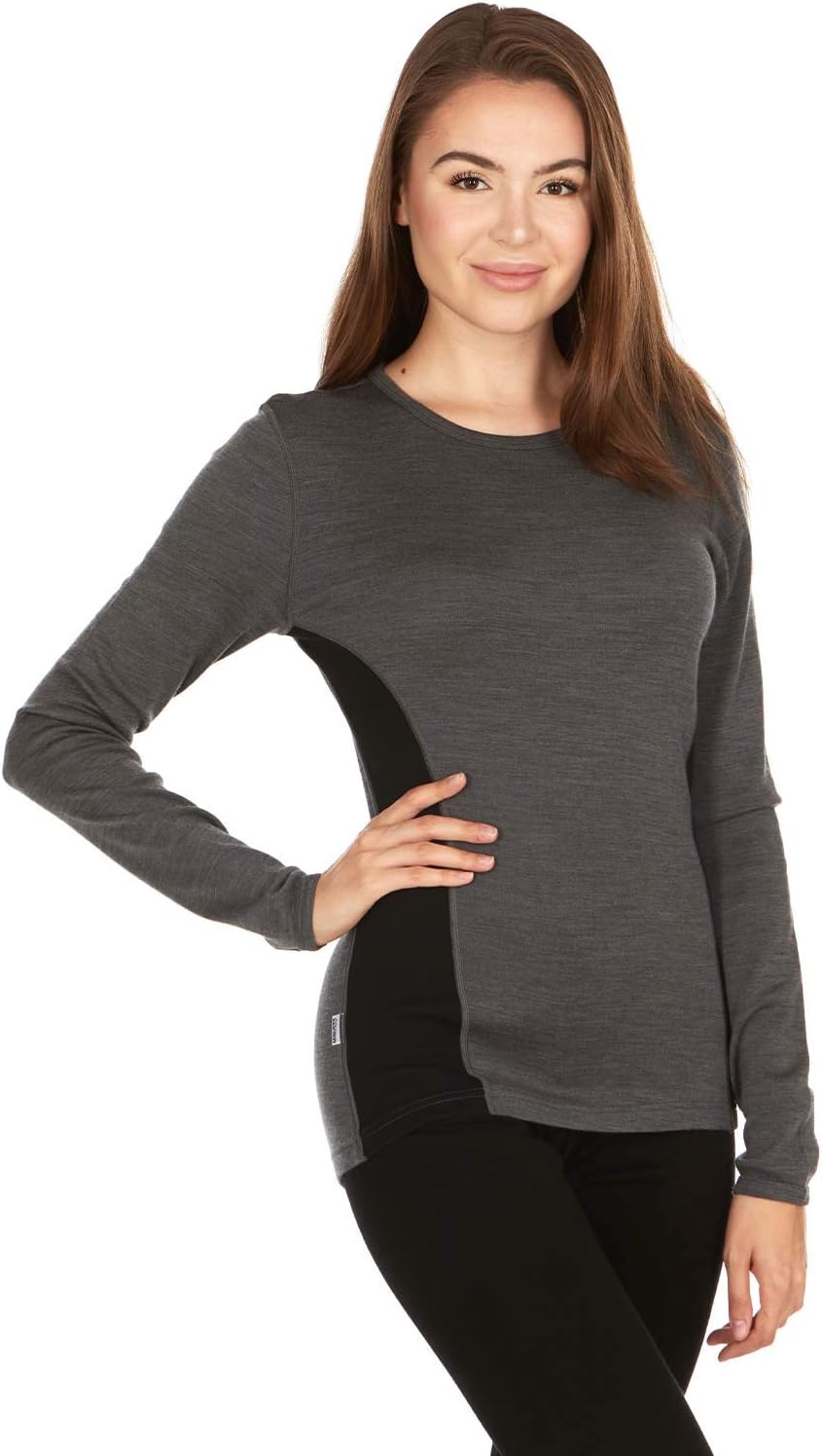
100% Merino Wool - Women's Midweight Base Layer - Long Sleeve Crew
$89.99
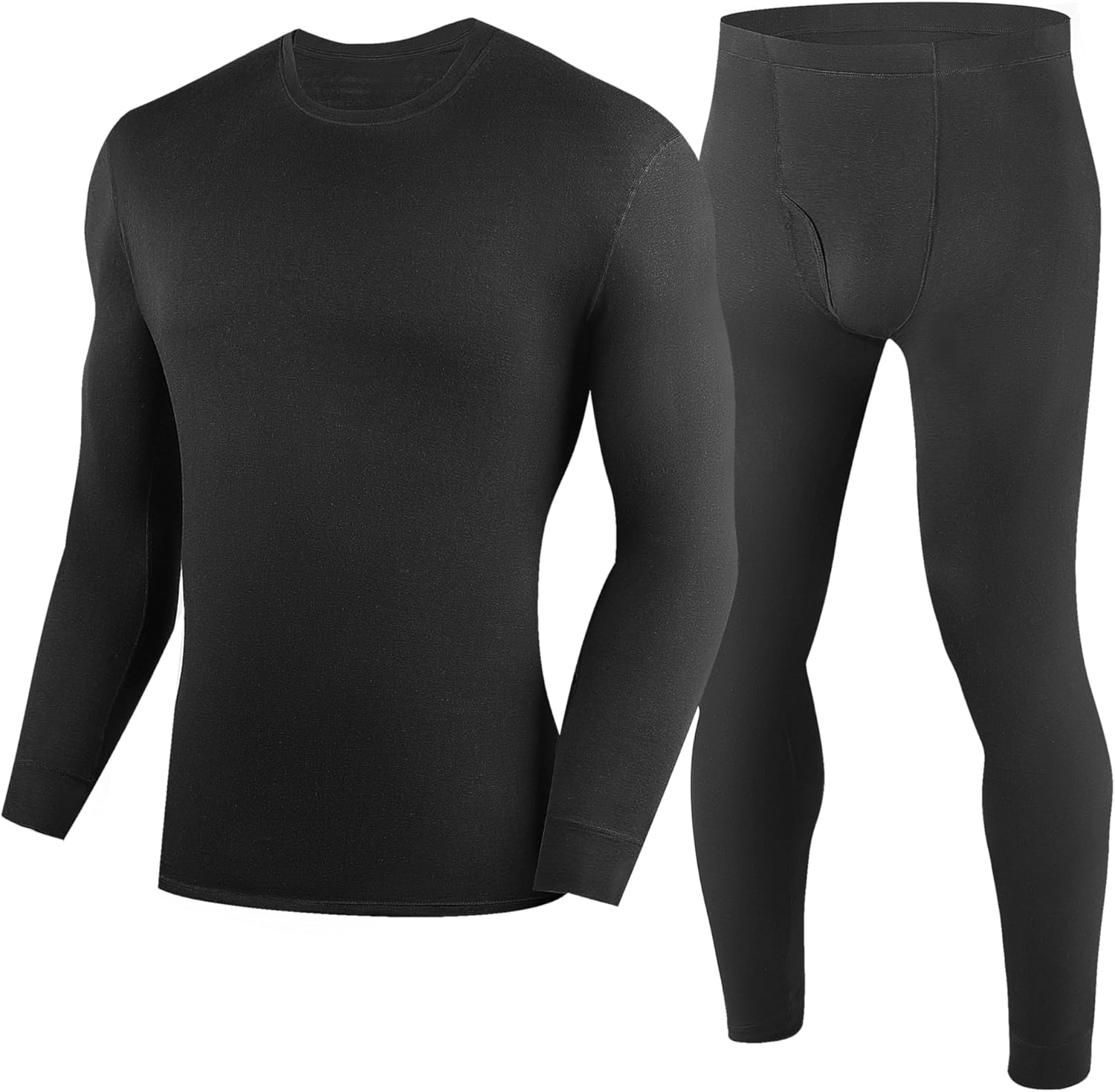
YESWEL 100% Merino Wool Base Layer Mens, Soft Thermals Underwear, Top and Bottom Set,Warm Long Johns Sets for Winter (S-2XL)
$49.99

BASSDASH Men's IMMERSE Tan Waders Waterproof Breathable Fly Fishing Stocking Foot Chest Waders for Hunting Lightweight
$109.98
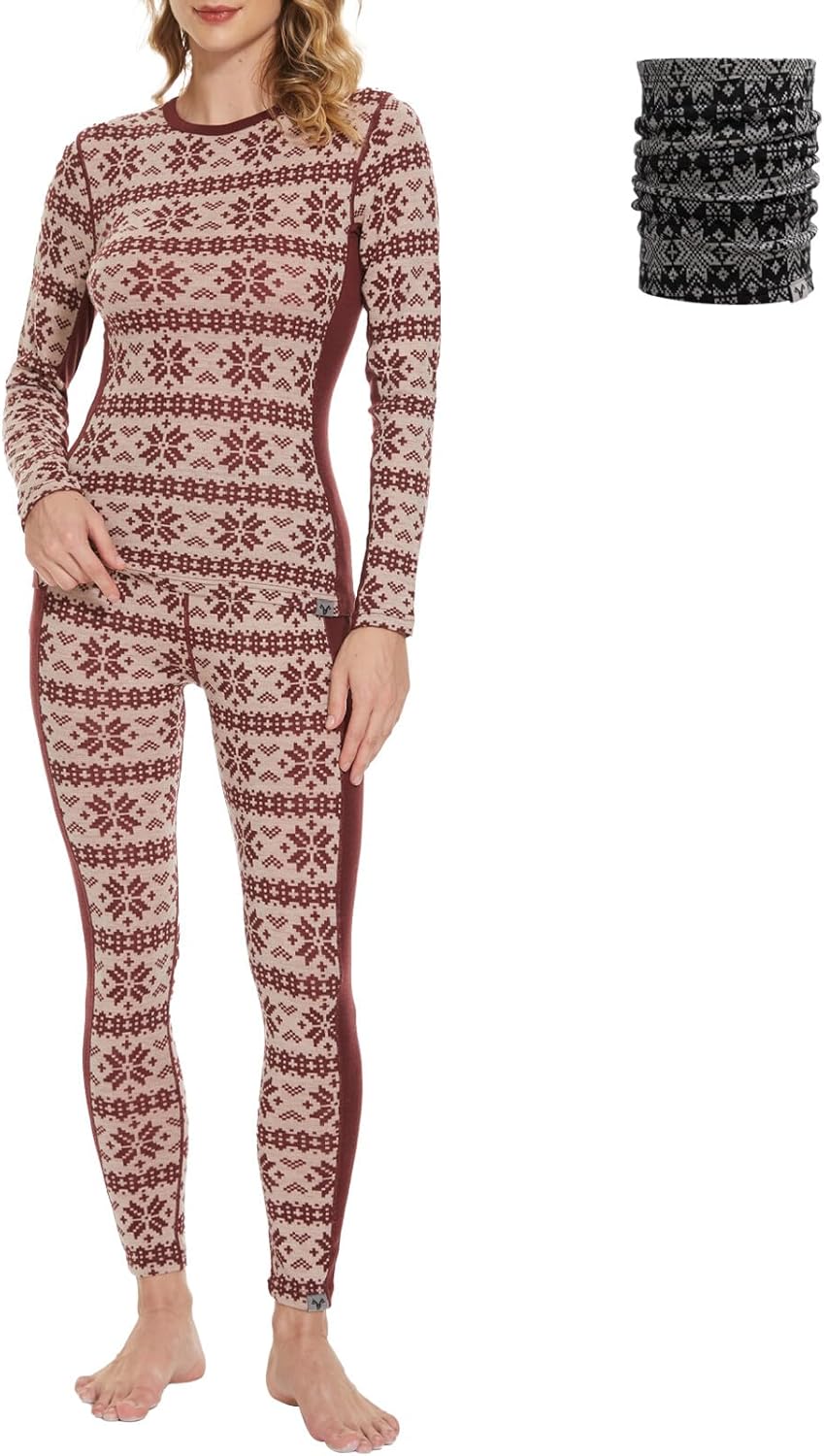
MERINNOVATION Merino Wool Base Layer Set for Women 100% Merino Wool Thermal Underwear Sets Lite - Midweight Top Tank Bottom
$63.99

KastKing HydroSense Waterproof Fishing Gloves, 100% Waterproof and Breathable Cold Weather Fishing Gloves, Ideal for Ice Fishing, Winter Fishing & Outdoor Winter Sports, Fishing Gloves Men Women
$36.99
As an Amazon Associate, we earn from qualifying purchases.
Browse All Gear →