Flies · Updated August 2026
Best Egg Patterns for Steelhead
If a steelhead eats one fly type more than any other, it's an egg. Glo-bugs, sucker spawn, beads, and estaz patterns drift naturally and trigger predator responses on fish that won't look at anything else. Stock egg colors that match the run — peach and orange for fall, pink and chartreuse for winter, white and yellow for spring sucker spawn. These are the egg patterns that put steelhead on the bank. The egg pattern is the most-fished Great Lakes steelhead fly for reasons that have less to do with imitation and more to do with timing. Sucker, sucker, sucker — white sucker spawning at 50F triggers steelhead egg-eating behavior, and the eggs that drift downstream from spawning sucker pods are functionally identical to a 6mm orange Glo-Bug. Steelhead don't need to be fooled; they need to be presented to. The pattern variations (Glo-Bug, Sucker Spawn, Estaz Egg, Crystal Egg, plastic trout beads) work because they match the available drift items — egg cluster, single egg, dyed-egg variants — and the color shifts (peach, orange, chartreuse, pink, red) match the freshness/coloration of the drift items present in a given run.
As an Amazon Associate, we earn from qualifying purchases. Prices and availability may change.
Our Top Pick

Top Picks at a Glance


Buyer's Guide
Three egg styles
Glo-bugs (yarn balls) — round, soft, classic. Estaz/crystal eggs — flashier, work in stained water. Beads (drilled plastic or glass) — slip on the leader above the hook, deadly for picky fish.
Color seasonality
Fall (Sept–Nov): peach, orange, salmon — matching real eggs in the water. Winter (Dec–Feb): pink, chartreuse — high visibility in cold, often stained water. Spring (Mar–Apr): white, cream, yellow — matching sucker and chub spawn.
Size by water clarity
#10–12 in clear water, #8–10 in stained. Bigger eggs are easier for fish to find but spookier in low water.
Trout beads vs tied flies
Plastic 6mm-10mm trout beads (glass or hard plastic, with through-drilled hole) are functionally identical to a tied Glo-Bug for catching purposes. Beads are cheaper, more durable, and easier to swap on/off the leader. Some regions/regulations require the hook to be within X inches of the bead — check local rules. Beads have largely replaced tied eggs among committed bead-fishermen on the Salmon River and Cattaraugus.
Color rotation by season
Early fall (white sucker pre-spawn): peach + light orange. Mid-fall through winter (sucker drift): orange + chartreuse. Late winter (steelhead spawn): pink + cerise. Spring (sucker re-spawn): orange + chartreuse + red. Carry 3-4 colors in 2 sizes each. Match the prevailing drift, not the angler ego.
More Top Flies

Glo Bugs Yarn

Creative Angler Egg Fly Fishing Flies for Fly Fishing

Creative Angler Egg Fly Fishing Flies for Fly Fishing

Glo Bugs Bling Egg Yarn

The Bug Shop
Glo Bugs Yarn

Pink Spawn Sacs; 36 Sacs; Harvested/Processed in Michigan; C...

Tungsten Bead Egg Fly in Pink, Peach, Chartreuse or Assorted...

36 Ct. Orange Spawn Sacs

Gamakatsu C14S Glo Bug 2X Strong Fly Hook-Pack of 25 (Black,...
Gamakatsu C14S Glo Bug 2X Strong Fly Hook-Pack of 25 (Black,...

Gamakatsu C14S Glo Bug 2X Strong Fly Hook-Pack of 25 (Black,...

Gamakatsu C14S Glo Bug 2X Strong Fly Hook-Pack of 25 (Black,...

Gamakatsu C14S Glo Bug 2X Strong Fly Hook-Pack of 25 (Black,...

Gamakatsu C14S Glo Bug 2X Strong Fly Hook-Pack of 25 (Black,...
Creative Angler Egg Fly Fishing Flies for Fly Fishing

Creative Angler Ultimate Egg Fly Selection for Fly Fishing....

Glo Bugs Yarn Color: Deep Dark Red (DKRD) (Deep Dark Red)
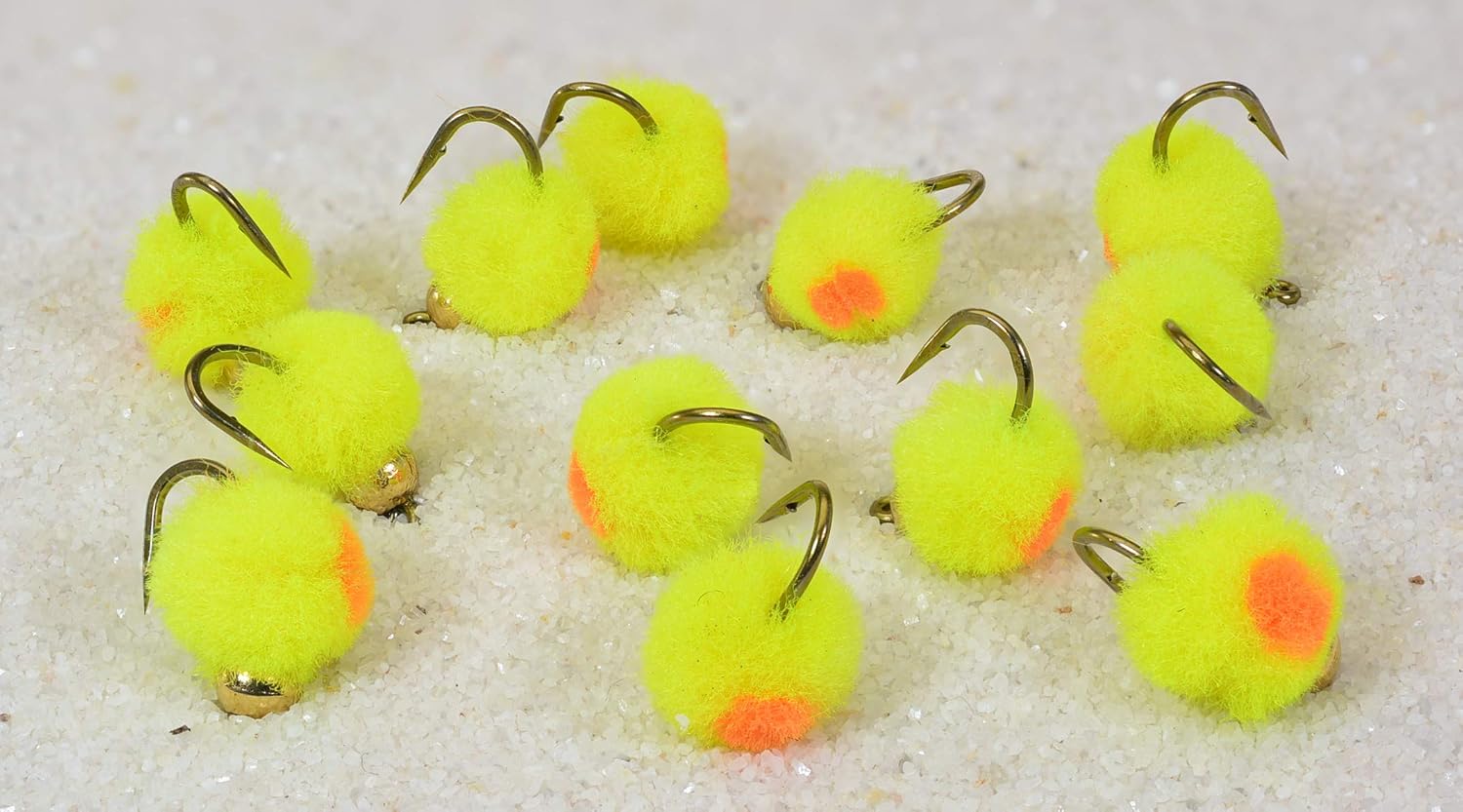
Tungsten Bead Egg Fly in Pink, Peach, Chartreuse or Assorted...
Tungsten Bead Egg Fly in Pink, Peach, Chartreuse or Assorted...

Tungsten Bead Egg Fly in Pink, Peach, Chartreuse or Assorted...