Pennsylvania has fifty-one miles of Lake Erie shoreline and the densest steelhead program by water mile on the Great Lakes. It runs on a homegrown strain, an angler-paid stamp, and a network of volunteer-run cooperative nurseries — three things no other state on the Alley combines.
Pennsylvania has the smallest stretch of Lake Erie shoreline of any of the Great Lakes states — about fifty-one miles from the Ohio line to the New York line — and the densest steelhead program by water mile of any agency on the south shore. The PA Fish & Boat Commission (PFBC) stocks more than 800,000 steelhead a year into roughly thirteen primary tributaries, supplemented by another seventy-thousand-plus from cooperative nurseries operated by local sportsmen's clubs. The Erie shore in October becomes, by some measures, the most heavily stocked run-fishery on the Great Lakes.
How that happened, in a state with one short coastline and a fish-and-game agency funded almost entirely by license dollars, is a story of two unlikely advantages: the right small creek, and the right small surcharge.
Trout Run
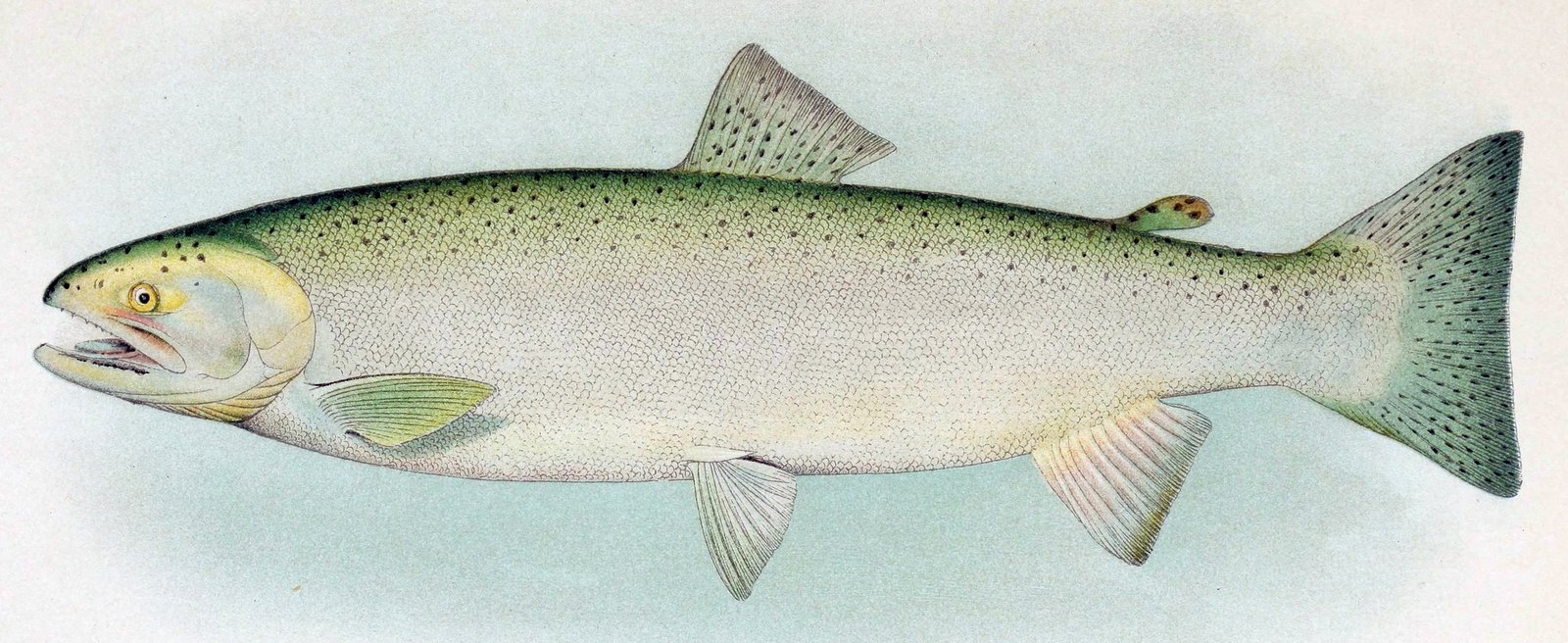
Trout Run is a short, steep, mostly stocked-only stream that enters Lake Erie about ten miles east of the city of Erie. It does not look, on first encounter, like the keystone of a state fishery. But Trout Run is where PFBC has, for decades, collected returning adult steelhead at a weir each spring and stripped eggs to seed the next generation. Over forty-some years of broodstock collection, the Trout Run fish have become a strain of their own — the "PA Lake Erie strain," genetically distinct from the Manistee fish across the line in Ohio, the Skamania and Washington strains in New York, and the McCloud descendants out West that started all of it.
This matters operationally. Pennsylvania's strain is locally adapted: the fish know how to find their way back to a Pennsylvania trib's mouth, hold through a Pennsylvania winter, and spawn on a Pennsylvania gravel bar. PFBC stopped importing eggs from other agencies decades ago, both to protect the strain's genetic identity and to prevent the introduction of hatchery diseases circulating in other Great Lakes broodstocks.
Eggs collected at Trout Run are reared primarily at the Fairview Fish Hatchery and released as yearlings into the Erie tribs the following spring. The system is closed-loop in a way Ohio's is not.
The Steelhead Stamp
Every angler who fishes for steelhead in Pennsylvania, beyond the basic license, buys a Lake Erie permit — the Steelhead Stamp. The stamp was introduced because Pennsylvania's program needed dedicated funding that did not have to compete annually with the inland trout, warmwater, and bass programs for general license dollars. Stamp revenue underwrites the hatchery operations, the broodstock work, the access acquisition, and the creel surveys that keep the fishery measurable.
The stamp is also why, in a meaningful sense, the steelhead fishery on the Pennsylvania shore belongs to the people who fish it. The anglers pay for it directly. That is a different relationship than a general-fund agency program, and it has shaped the political durability of the PA fishery through downturns that have squeezed other state programs.
The cooperative nurseries
The third pillar of the PA program is something neither Ohio nor New York has at the same scale: a constellation of volunteer-run cooperative nurseries operated by local sportsmen's clubs. The 3-CU (Tri-State Steelheaders) group, the Wesleyville Conservation Club, and others raise an additional 70,000 or more steelhead and a similar volume of brown trout annually, taking pressure off the state hatchery and channeling the conservation impulse of the angling community directly into the water. The clubs collect their fingerlings from PFBC, raise them through the high-mortality early stages on club-owned facilities, and return them as smolts for stocking. It is among the most productive volunteer conservation infrastructures in any North American sport fishery.
The 2024 Shasta experiment
In 2024, with Fairview's capacity being expanded, PFBC introduced an experimental supplement of approximately 75,000–100,000 Shasta-strain rainbow trout, sourced from Ohio's Castalia hatchery, into Elk Creek and Raccoon Creek. The Shasta fish were adipose-clipped for identification, and PFBC began ongoing creel and electro-shocking surveys to compare Shasta return rates against the homegrown PA strain. As of this writing, the experiment is open. The results will shape whether Pennsylvania remains a single-strain fishery into the 2030s.
Pennsylvania's steelhead are paid for by the anglers who chase them, raised in part by the volunteers who care about them, and bred over forty years at a single small creek that taught them how to come home.
The current state of the program — annual numbers by trib, the cooperative-nursery roster, recent regulation changes — lives on the Pennsylvania Stocking Program page. This chapter is about how the architecture got built. It is, by any honest reckoning, the most distinctive of the three south-shore state programs.