Species of the Alley
A field guide to the fish that built this fishery
The Steelhead Alley is more than steelhead. From smallmouth that fight three times their weight to walleye runs that stop time at trib mouths to the muskie nobody talks about — this is the region's biology, behavior, and lore, river-by-river and month-by-month.
See today's seasonal fishing reportSummer targets
Fish the off-season on purpose
When steelhead are out of the tributary picture, these species carry the summer plan: lower-river smallmouth, Lake Erie walleye and perch, pike, panfish, pond bass, and careful cold-water trout windows.

Smallmouth Bass
May–October (peak: June, September)

Walleye
March–April + October–December (peak: late March, early November)

Yellow Perch
July–October (peak: September–early October)

Northern Pike
April–June + September–October

Largemouth Bass
May–October (peak: June, October)

Bluegill
May–September
Crappie
April–May + October

Brown Trout
April–June + September–October
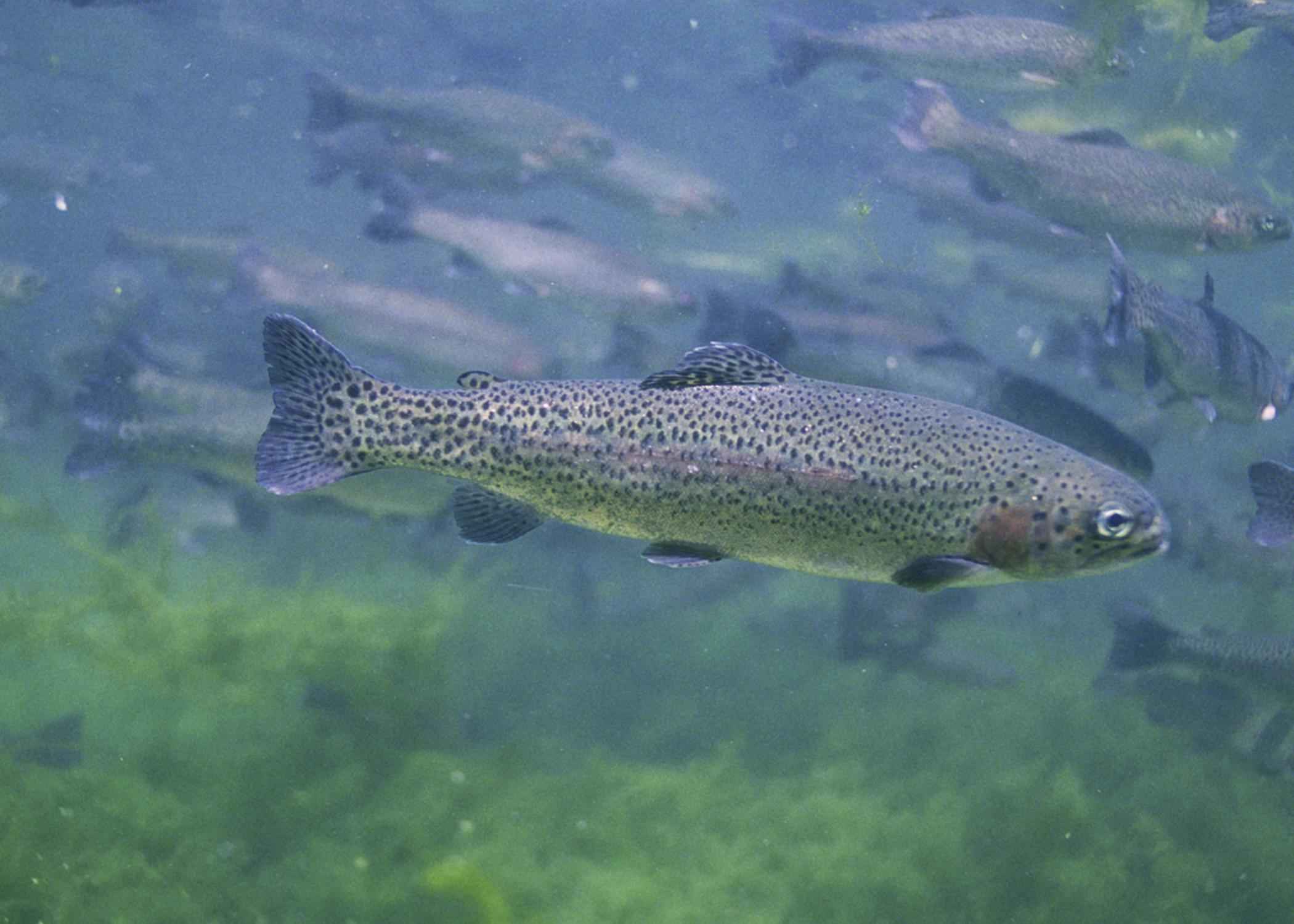
Steelhead
Oncorhynchus mykiss
Float-fishing the fall and spring runs
The lake-run rainbow trout. The reason this site exists. A fish that lives in Lake Erie or Ontario most of its life and runs the tributary creeks of Ohio, Pennsylvania, and New York to spawn each fall, winter, and spring. Chrome-bright sides, wild leaping fights, and a religion all its own.
Best months: October–May (peak: Nov, Mar, Apr)
Smallmouth Bass
Micropterus dolomieu
Tube-jigging Lake Erie reefs in June
Pound for pound the hardest-fighting freshwater fish in North America. Lake Erie has the most underrated smallmouth fishery on the continent — its rocky shoals and the shallow western basin produce 4-6 pound fish all summer, and Alley tribs hold river smallies that punch way above their weight.
Best months: May–October (peak: June, September)
Walleye
Sander vitreus
Spring trib runs at Maumee River-mouth scale
Lake Erie produces more walleye than any other body of water on Earth. The "Walleye Capital of the World" tag isn't marketing — it's biology. Spring trib runs, summer drift fishing, fall trolling, ice fishing — walleye anglers in our region have a year-round opportunity at the most prized table fish in freshwater.
Best months: March–April + October–December (peak: late March, early November)
Yellow Perch
Perca flavescens
Late-summer "jumbo" perch in 25-50 ft on Lake Erie
The most-caught freshwater fish in North America by some measures. Yellow perch are the table-fish democracy of Lake Erie — anyone with a rod, a minnow bucket, and a piece of lake access can fill a cooler. Schooling, vocal feeders, and the best-eating freshwater fish that swims.
Best months: July–October (peak: September–early October)
Largemouth Bass
Micropterus salmoides
Frog-fishing weed mats on summer farm ponds
America's most popular game fish, and an underrated player in the Steelhead Alley region. Largemouth aren't a Lake Erie focal species the way smallmouth are — but every farm pond, marina, golf course pond, and lower-river backwater holds them, and a good hawg in this region is a 5-pound fish caught on the cast no one expects.
Best months: May–October (peak: June, October)
Northern Pike
Esox lucius
Spring pike on dead-baits in shallow weed bays
A water wolf with teeth. Pike are the apex ambush predator of weed-edge environments — they explode out of cover at speeds that defy how fast you thought a fish could move. The Alley's pike fishery is underdiscussed (except by those who know), but Pymatuning, Chautauqua, the Niagara River, and the marshes of western Lake Erie hold trophy-class fish.
Best months: April–June + September–October

Muskellunge
Esox masquinongy
Trolling 10-inch jerkbaits over Chautauqua weed beds
The fish of 10,000 casts. The largest member of the pike family. The apex predator of every body of water it inhabits. Muskie are a niche pursuit — fewer anglers, longer hours, much bigger reward — and the SHA region holds legitimate trophy water in Chautauqua Lake, the Niagara River, and the French Creek system.
Best months: May–June + September–November (peak: late June, October)
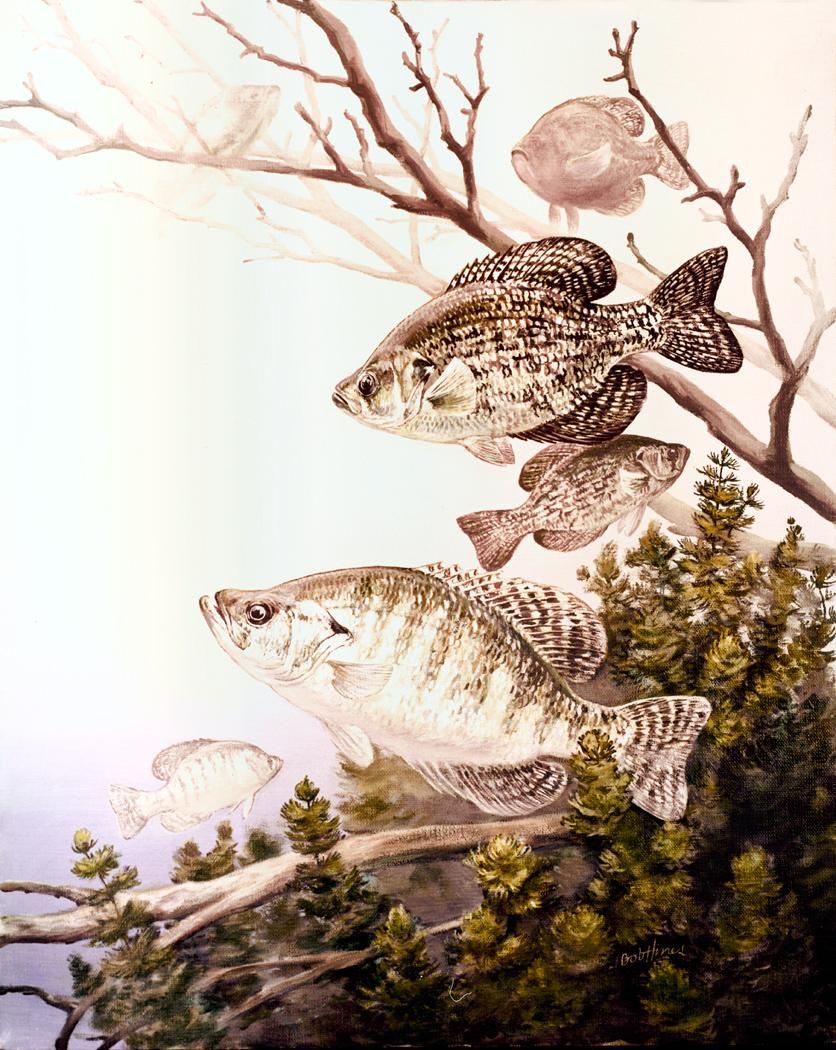
Crappie
Pomoxis spp. (P. nigromaculatus + P. annularis)
Spring spawn around shallow brush in 3-6 ft
Two species, one obsession. Black crappie and white crappie share most of the SHA region's waters and the spring spawn run is the social fishery of the year — every reservoir bank packed with anglers throwing 1/16-oz jigs at brushpiles. Easy to catch when you find them; deceptively hard to find when they've moved.
Best months: April–May + October
Bluegill
Lepomis macrochirus
Cricket-and-bobber on shallow gravel beds in late May
The first fish most anglers ever catch. Bluegill are the gateway species — willing, abundant, hard-fighting on light tackle, and the foundation of every farm pond ecosystem. The big "bull bluegill" (10+ inches) class is its own underrated trophy fishery for anglers willing to leave the kids at home.
Best months: May–September
Brown Trout
Salmo trutta
Stealth-stalking wild browns on small spring creeks in summer
The wily one. Brown trout are non-native to North America (introduced 1883 from Europe) but have established wild populations in cold limestone streams of the Alley region. They're harder to fool than steelhead, less abundant than brookies, and beloved by the small-water specialists who chase them. Lake-run brown trout in Lake Ontario tribs add a second dimension.
Best months: April–June + September–October

Rainbow Trout
Oncorhynchus mykiss
Stocked-stream opener fishing in March-April + holdover fish on dry-dropper rigs through summer + fall fly-rod work on Cuyahoga Falls + Clear Fork Mohican CR section.
Rainbow trout (Oncorhynchus mykiss) are the freshwater form of the same species as Lake Erie steelhead. SHA covers them as the inland trout program target -- stocked hatchery fish, holdover survivors, and the budding wild Cuyahoga River population that didn't exist a decade ago.
Best months: April-June + September-November; year-round on stocked + CR water with seasonal variation.

Chinook Salmon
Oncorhynchus tshawytscha
Salmon River drift fishing through the late September - October peak. Egg patterns, bead rigs, plug-and-float below pools. Spey + large streamers on the bigger water.
Chinook salmon are Lake Ontario's marquee fall species and the largest fish in the SHA tributary set. NYSDEC-stocked since the 1960s; run from late August through October; spawn once and die. Trophy-class fish 30+ lbs.
Best months: Late August - November (fall run); peak late September - October on Lake Ontario tributaries.

Coho Salmon
Oncorhynchus kisutch
Salmon River tributary drift fishing in mid-late October. Coho are willing strikers; egg patterns, beads, spinners, and small streamers all produce.
Coho salmon are Lake Ontario's smaller, more aggressive fall salmon companion to Chinook. NYSDEC-stocked; runs October into November; spawn once and die. Acrobatic, hard-fighting; 6-12 lb fish common.
Best months: October - November (fall run); peak mid-October on the Salmon River.
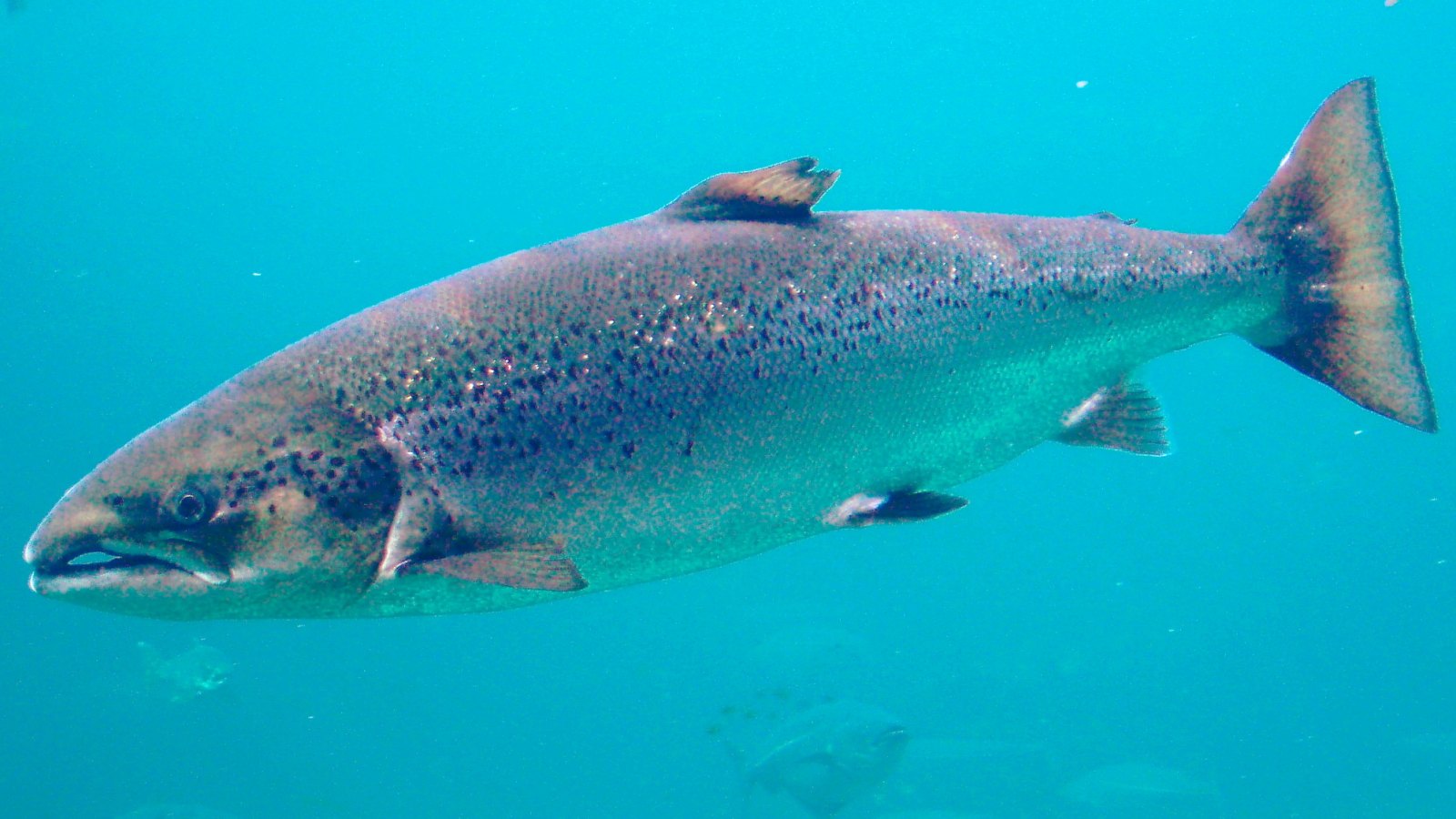
Atlantic Salmon
Salmo salar
Lake Ontario tributary fishing during fall + spring restoration windows. Receptive to swung flies + dry-line approaches; classic Atlantic salmon fly-fishing techniques apply.
Atlantic salmon are the historic native salmon of Lake Ontario, extirpated by 1900 and now the focus of a NYSDEC + USFWS restoration program. Iteroparous (can spawn multiple times). Catch-and-release in much of the SHA-tracked range.
Best months: Lake Ontario tribs: late September - November + March - May (per NYSDEC cycle).
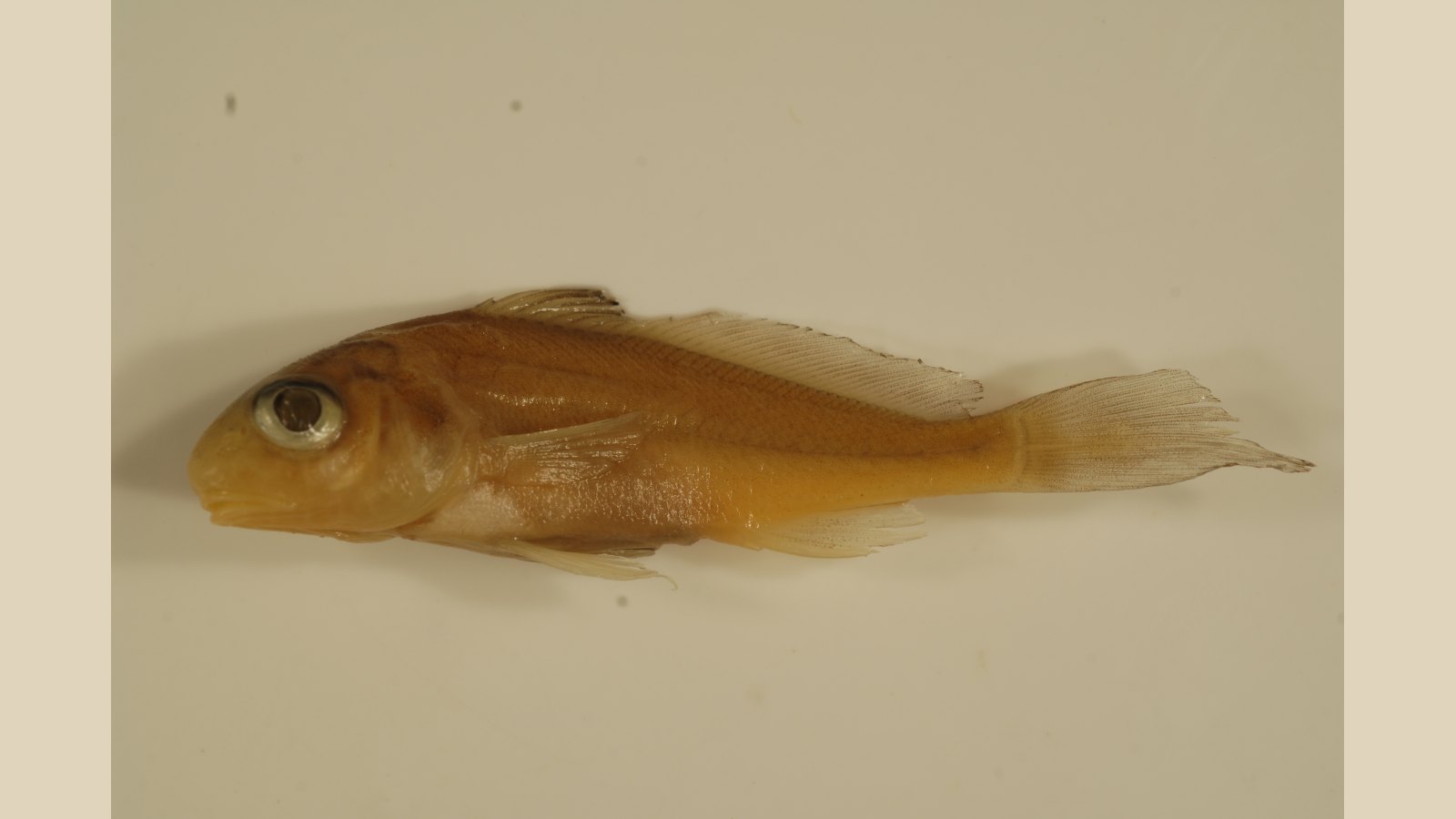
Freshwater Drum
Aplodinotus grunniens
Bottom-fishing with cut bait, nightcrawlers, leeches, or shiners; jigging crayfish imitations on rocky bottom; small swimbait on a heavy jig in deeper water. Drum hit hard and pull harder.
Freshwater drum are the Great Lakes' native member of the saltwater croaker family. Abundant in Lake Erie and lower tributary reaches; powerful fighters; underrated by anglers; major predator of zebra mussels.
Best months: April - October (warmwater active windows); peak May - August.
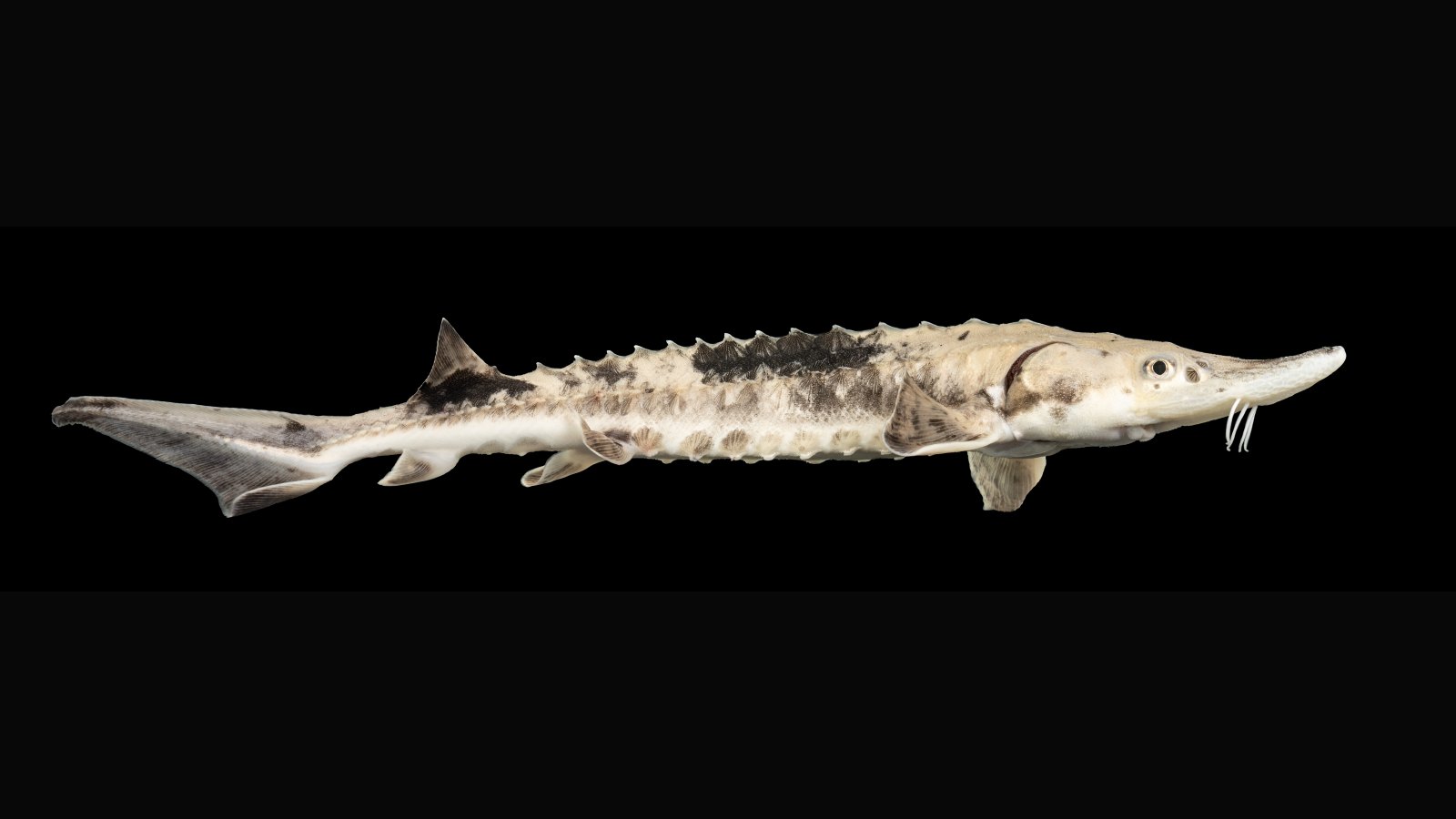
Lake Sturgeon
Acipenser fulvescens
Catch-and-release only; no targeted recreational fishery in OH/PA/NY Lake Erie tribs. Reportable incidental encounters during bass / walleye / catfish bottom-fishing.
Lake sturgeon are North America's longest-lived freshwater fish, state-endangered in Ohio, and being actively reintroduced to the Cuyahoga River. Trophy-class fish exceed 200 lbs; lifespans top a century. Strictly catch-and-release.
Best months: May - September (spawn + post-spawn windows)
A note on this field guide.
Each species page is biology first — what the fish IS, what it does, how it moves through the year. The "how to fish for it" sections lean on local knowledge, not formulas. Where conditions matter (water temp, flow phase, lake surface), we pull live data and read it through that species' lens. The science gives you the inputs; the angling stays an art.