Sulphur Hatch (Ephemerella invaria + dorothea): The May-to-June Evening Mayfly
Sulphurs are the marquee inland trout hatch of the prime spring fishing month -- evening emergences from late May through June, yellow-bodied + cream-winged duns, intense pre-dark spinner falls. Two principal species (E. invaria generally first; E. dorothea overlapping + extending later) producing 4-6 weeks of consistent dry-fly fishing on SHA-region quality streams.
TL;DR
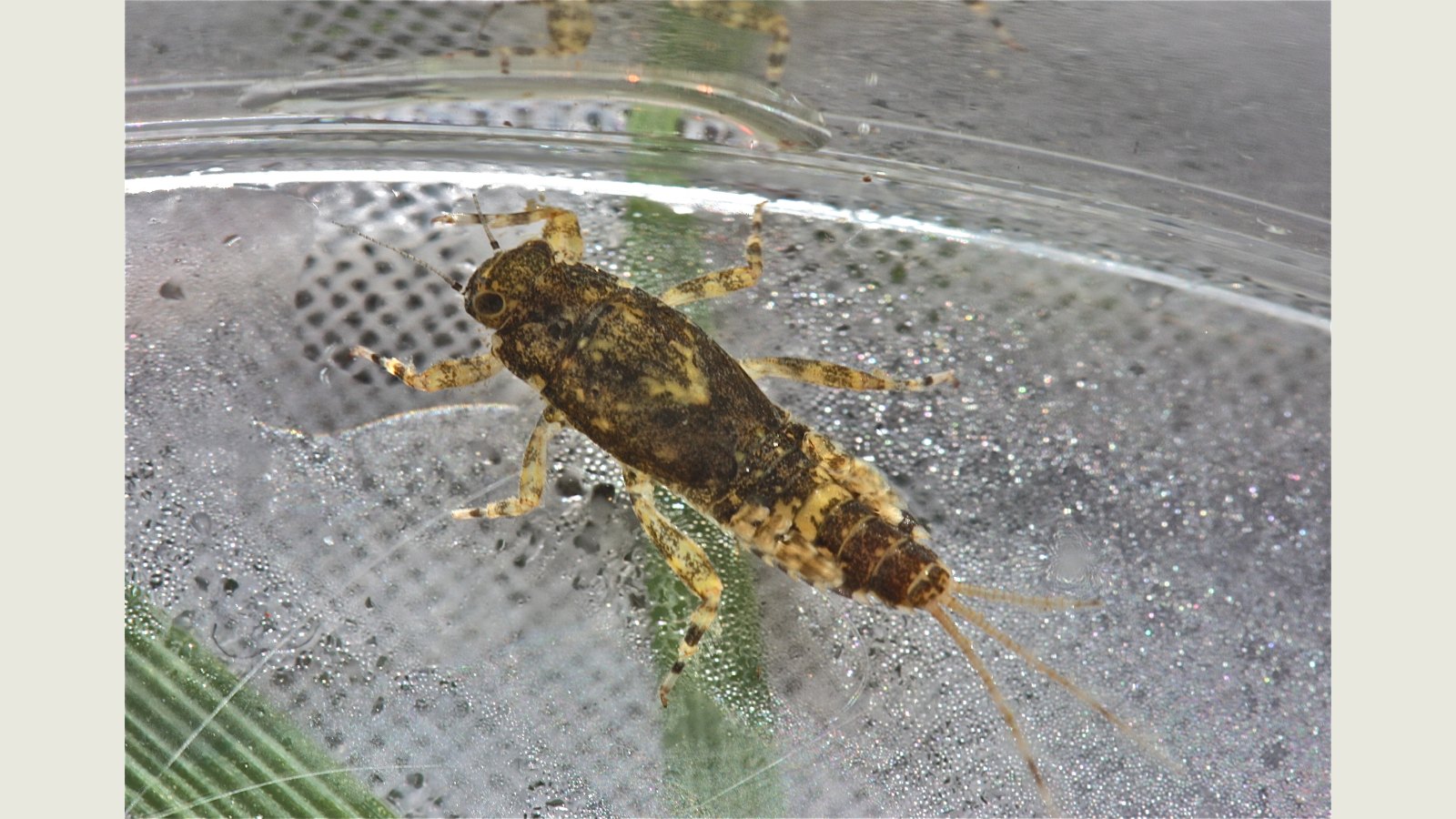
Identification
- Body color: sulphur yellow to pale yellow; some species lean toward cream + tan. The yellow-orange body is the diagnostic ID feature.
- Wing color: pale cream to light gray duns; clear wings with light venation on spinners.
- Size: body length 7-10 mm; hook size 14-18 typical.
- Tails: three.
- Species split: E. invaria larger + earlier (size 14-16); E. dorothea smaller + later (size 16-18). Anglers usually lump both as "sulphur."
Timing
| Geographic onset | Late May in most SHA-region streams. Triggered by water temperatures around 55-60 degF. |
| Peak weeks | Late May through June. The two species overlap in the middle of the window. |
| Tail-off | Late June to early July as E. dorothea wanes. |
| Daily timing | Duns: 6-8 p.m. emergence typical. Spinner fall: just at dark, sometimes after dark on warm evenings. |
Tactics + flies
- Dun patterns: Sulphur Comparadun + Parachute Sulphur + Sulphur Sparkle Dun. Sizes 14-16 for invaria; 16-18 for dorothea.
- Spinner patterns: rust-orange spinner patterns sized to match. Pre-dark spinner fall is the primary catching window on many streams.
- Emerger patterns: particularly productive during the surface-film transition; small CDC emerger patterns.
- Nymph patterns: pheasant tail in olive or yellow + Hare's Ear for the days leading up to + including the hatch.
- Tippet: 5X for standard work; 6X for technical pool fish.
- Light + visibility: evening fishing requires high-floating patterns + good water-reading; the trout are willing but the light is fading.
SHA-region waters
Sulphurs hatch on the same quality inland trout streams as Hendricksons. PA Class A streams + ANF tribs + WNY Wiscoy + Genesee headwaters all produce. See the Class A near the Alley pillar.
Honest gaps
- Multiple closely-related Ephemerella species lumped as "sulphur."
- Site-specific timing varies; field observation is authoritative.
- No coverage of pale evening dun (E. dorothea infrequens) western variants.
Full source list
- Tier 3 -- entomological reference: Ephemerella invaria + E. dorothea literature.
- Tier 1 -- state agency hatch reference where published.
Common questions
What's the difference between invaria and dorothea?
E. invaria is larger (size 14-16) and emerges earlier; E. dorothea is smaller (16-18) and emerges slightly later. Both anglers call "sulphur."
Why is sulphur season called "prime time" by inland trout anglers?
The combination of warm-but-not-hot water + abundant + visible hatches + technical-but-not-impossible fishing + brown trout that are pre-spawn aggressive makes the late-May-to-June window the highest-quality fishing of the inland trout year.
How late into the evening should I fish sulphurs?
Until you can't see your fly. Spinner falls extend past dark on warm evenings; the dark-period fishing produces some of the largest fish.
Image credits and licensing
- Inline image: Sulphur-stage fishing begins with the nymphs; the evening hatch is only the visible finish. Photo: Bob Henricks / Wikimedia Commons, CC BY-SA 2.0.
- Hero image: Photo: Bob Henricks / Wikimedia Commons, CC BY-SA 2.0.