
Smallmouth Bass
Rock, current seams, bridge shade, creek mouths, and lower-river boulder runs.
Prime June through August; strongest during stable flows and low-light topwater windows.
Read the smallmouth field guideSummer strategy
Steelhead are, regrettably for some, not a year-round affair. From May through October they are off in Lake Erie and Lake Ontario doing whatever it is steelhead do when no one is watching, leaving the rivers in the hands of an entirely different cast — smallmouth that hit harder than seems polite, walleye that prefer the unflattering hours, brown trout that have outlived several of one's regrets, and panfish willing to be talked into more or less anything. What follows is what to do about it.
Steelhead built the name, but summer belongs to warmwater fish, lake edges, lower-river rock, weed lines, and low-light windows. This is the off-season playbook for staying on fish while the chrome waits for fall.
Summer biology
Summer rivers stratify by temperature, and the cast of characters sorts itself across three thermal layers. Below is the cutaway showing where each species sits and the thermal-trigger matrix translating water temperature to behavior.


What to fish now
These are the species that can carry the site through the steelhead off-season with useful, local, non-affiliate content.
Rock, current seams, bridge shade, creek mouths, and lower-river boulder runs.
Prime June through August; strongest during stable flows and low-light topwater windows.
Read the smallmouth field guide
Lake Erie basin structure, harbor mouths, evening reefs, and charter water.
Summer fish slide deeper; dawn, dusk, and controlled trolling speeds matter.
Read the walleye field guide
Hard-bottom schools, family-friendly boat trips, and late-summer Erie perch water.
Most predictable once summer schools concentrate over 25-50 feet.
Read the perch field guide
Weed edges, cooler tributary backwaters, and overlooked multi-species water.
Best around cooler windows; switch targets when water gets heat-stressed.
Read the pike field guide
Marinas, backwaters, farm ponds, pads, shade, and summer weed mats.
Strongest at first light, after dark, and when shade concentrates fish.
Read the largemouth field guide
Ponds, reservoirs, docks, weed edges, and the easiest path to a summer bite.
Reliable all summer; best quality fish sit deeper after the spawn.
Read the bluegill field guide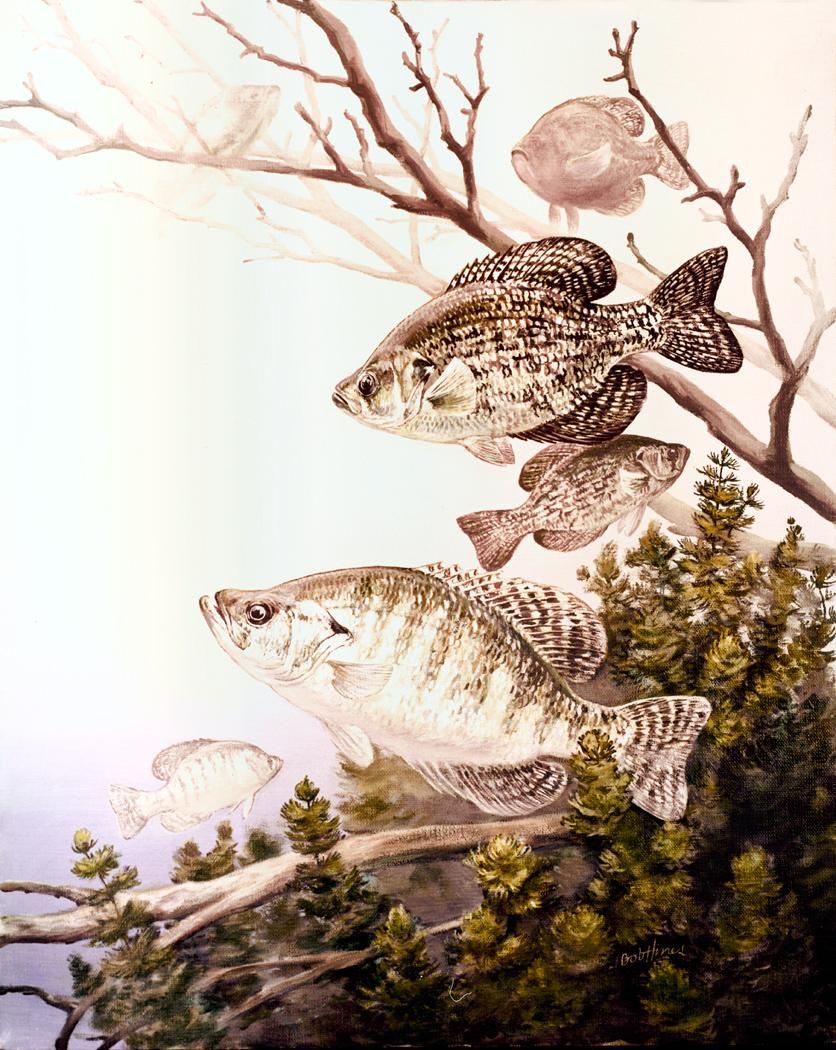
Brush piles, bridge shade, docks, and deeper summer structure after the spring crowd leaves.
Summer is a location game: find shade, depth, and bait.
Read the crappie field guide
Cold tributary pockets, spring creeks, night windows, and careful warm-water ethics.
Fish early, late, or at night; avoid stressing trout in warm afternoon water.
Read the trout field guideCondition reads
The point is not to force steelhead logic onto summer. Pick the species whose biology fits the water in front of you.
Target: Smallmouth, bluegill, walleye at low light
Move: Downsize, fish natural colors, and use shade or rock transitions.
Target: Smallmouth, pike, largemouth
Move: Use vibration, darker profiles, spinnerbaits, tubes, and slower banks.
Target: Panfish, bass shade, deeper walleye
Move: Move deeper, fish dawn/dusk, and leave trout alone when water is warm.
Target: River smallmouth and lower-tributary bass
Move: Work pool tails, boulder lanes, and current breaks as visibility improves.
Summer fishing FAQ
The best summer targets are usually smallmouth bass, walleye, yellow perch, northern pike, largemouth bass, bluegill, crappie, and carefully selected trout water. Lower river rock, lake mouths, harbors, weed edges, docks, and ponds become more important than classic steelhead runs.
Summer is not the normal Steelhead Alley tributary steelhead season. A few systems can have unusual holdovers or cold-water pockets, but the responsible summer strategy is to shift toward warmwater species and protect trout when water temperatures are high.
Once water gets into the upper 60s, trout stress rises quickly, especially with low oxygen and slow flows. Around 68 degrees Fahrenheit and warmer, switch to bass, panfish, pike, or walleye unless you are fishing genuinely cold water and can release fish quickly.
Dawn, dusk, overcast periods, and falling or stabilizing flows are usually best. Bright hot afternoons push many fish toward shade, deeper water, current breaks, weed edges, or suspended lake patterns.
Yes. Flow, clarity, water temperature, recent rain, and trend direction still matter. Summer fish often use different spots than steelhead, but falling flows, stain, shade, and stable weather can still make or break the bite.
Scan to visit
SteelHead Addiction
steelheadaddiction.com