Improved Clinch Knot
The everyday terminal knot for hooks, jigs, spinners, and flies when you want a fast tie that behaves.
The improved clinch is the knot most anglers learn first, and for once the old lesson is not nonsense. It is quick, clean, and strong enough for most river terminal tackle. Tie it carefully, wet it before you cinch it, and it will do its job without asking to be the star of the trip.
How to tie it
-
1
Pass 6 to 8 inches of tag end through the hook eye.
-
2
Wrap the tag end around the standing line 5 to 7 times.
-
3
Pass the tag end back through the small loop just above the hook eye.
-
4
Pass the tag end through the larger loop you just created.
-
5
Wet the knot, pull the standing line slowly, then snug the tag end.
-
6
Trim the tag close, leaving a small safety nub.
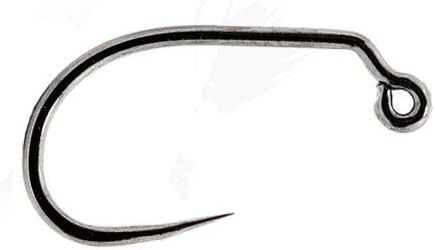
Products visible in the tutorial
These are the items the demonstrator uses on screen. Affiliate links where we have a match in our catalog.
When to use it
- Tying mono or fluorocarbon to small hooks, jigs, spinners, and spoons.
- Fast reties when the bite is on and your hands are trying to become frozen garden tools.
- Tippet-to-fly connections where the hook eye is not oversized.
- Skip it for heavy braid or very slick fluorocarbon over 15 lb. Use a Palomar or Uni instead.
Common screw-ups
- Cinch burn: tightening a dry knot makes heat and weakens the line.
- Too many wraps on thick line: the wraps stack up and refuse to seat.
- Crossed wraps: if it looks like a small plate of noodles, retie it.
Rigs that use this knot
Alternatives
A strong, simple terminal knot that shines on braid, hooks, jigs, and drop-shot style presentations.
A versatile knot for terminal tackle, braid, and adjustable loops. If you learn one knot family, make it this one.
A fixed loop knot that lets streamers, jigs, and small plugs move instead of hanging stiffly from the line.
What to tie it with