Inland Trout vs Steelhead: What Changes When You Step Off the Alley
You already fish Lake Erie tributary steelhead. Now you are eyeing wild brown trout in a small creek 90 minutes south, or a brook trout headwater in the Allegheny National Forest, or a stocked rainbow stretch you keep driving past. What of your steelhead skill stack actually transfers -- and what has to shift? This pillar is the honest translation guide for the SHA reader making that step.
TL;DR -- if you only read one block
What this pillar is for
This is the second pillar in the SHA inland-trout vertical. The opener covered the categorical frame -- three species, three state-managed fishery contexts (PA Class A wild trout streams, NY 5-category Trout Stream Management Plan, OH inland coldwater), and the summer steelhead gap. This pillar covers the audience translation -- what specifically changes for the SHA reader who already knows steelhead and is starting to fish resident inland trout.
The reader I am writing to has the steelhead skill stack already. You can read water. You can manage a drift through a seam. You understand water temperature as a fishability gate. You have stood next to a redd and known not to wade through it. You have argued about beads vs roe sacks. You can spot a tail-out from a hundred yards. None of that is being thrown out. What I am mapping here is which parts of that stack apply directly to inland trout fishing, which parts apply with adjustment, and which parts do not apply at all and need replacement.
This article is intentionally NOT a destination guide. There are no specific streams named, no parking-lot coordinates, no drive-time claims, no "best of" picks. The reasons for that are covered in the opener's scoping section and follow the SHA source-discipline framework: until SHA has the data layers needed to verify access, regulations, and route guidance for a specific stream, destination-specific recommendations are deferred.
The life-history split is the load-bearing difference
The single most important thing to internalize before you fish inland trout is that resident inland trout do not migrate, and steelhead do. Everything else in this article downstream of presentation, gear, water, and season cascades from that one fact.
Steelhead -- the anadromous form
Steelhead is the lake-run (in the Great Lakes context; sea-run on the Pacific) life-history form of Oncorhynchus mykiss. The fish you target in October in a Steelhead Alley tributary and the fish someone targets in November on the Pacific coast are the same species, expressing the same anadromous life-history strategy.
Per Tier 3 Animal Diversity Web treatment of Oncorhynchus mykiss, Great Lakes steelhead spend the bulk of their life feeding pelagically in the lake on alewife + emerald shiner + smelt + gizzard shad + round goby per the SHA forage briefing, then ascend tributaries in fall + winter + spring to spawn. The fish you catch in a Lake Erie tributary in November is not feeding on aquatic insects in the river -- it is in spawning + holding behavior, fueled by the energy reserves it built up in the lake. Steelhead in tributaries are intercepted moving fish.
Resident inland trout -- the non-anadromous forms
Resident inland trout -- brown trout (Salmo trutta), brook trout (Salvelinus fontinalis), and the stream-resident form of rainbow trout (Oncorhynchus mykiss) -- do not migrate to the lake and back. They are stream + small-pond residents that hold territories in specific lies for most of the year and feed primarily on stream invertebrates and (once they reach piscivory size) small stream baitfish per Tier 3 Animal Diversity Web treatments of each species.
Brown trout spawn in October-December per Tier 3 USFWS and AFS treatments; brook trout spawn September-November per Tier 3 USFWS; stocked rainbow trout in inland PA + NY + OH waters typically do not establish self-sustaining wild populations and are restocked as catchable-size hatchery fish per Tier 1 PFBC + NYSDEC + ODNR stocking program documents. None of these populations behave like steelhead.
The implication: when you walk up to a wild brown trout pool, you are not waiting for fresh fish to push in from the lake on the next rise. The brown trout that lives in that pool either lives there year-round or it does not exist. The pool is the population. Your job is to read where in that pool the fish is holding, and present to that lie without spooking the fish out of it.
What of your steelhead skill stack transfers directly
A lot. More than first-time inland trout converts usually realize.
Drift reading transfers fully
Reading current seams, identifying soft water against fast water, picking out tail-outs and pocket water, judging depth -- all of that maps directly. The water is smaller and the seams are tighter, but the discipline is the same. If anything, the skill scales DOWN well -- a steelhead angler used to reading 50-foot-wide tributary runs has no trouble reading 8-foot-wide brook trout pockets.
Water-temperature discipline transfers fully
The thermal envelope discipline you bring to steelhead -- knowing 50-65 deg F is the active feeding band per Tier 3 + 68-70 deg F is the upper limit per Tier 3 ODNR -- maps directly, and with sharper consequences. Brook trout is the most cold-sensitive of the three inland species, ecologically extirpated above ~68 deg F sustained per Tier 3 climateactiontool.org synthesis. Brown trout has a slightly wider envelope (optimal growth 60-65 deg F per Tier 3 NDEP) but stress-mortality climbs the same above 70 deg F. The SHA wading safety guide's temperature-monitoring habit is the same habit -- now used to decide whether to fish AT ALL on a 75 deg F headwater afternoon.
Redd ethics transfers fully
If anything, redd ethics is MORE important on inland trout water. Brown trout fall redds (October-December) and brook trout fall redds (September-November) are concentrated in the same headwater + spring-fed habitat where the populations are most vulnerable. PA Class A wild trout streams under Tier 1 PFBC management depend on natural reproduction for the Class A designation itself. Wading through a redd in a Class A wild brook trout stream is not just an ethical failure -- it can directly suppress that year's recruitment. The "do not stand on the gravel" discipline you brought from steelhead transfers without modification.
Pocket-water work transfers, scaled down
If you have spent time fishing pocket water on the Chagrin or Grand in low-water summer steelhead conditions, you already know how to read inland trout water. The water is just smaller. Brown trout in a 6-foot-wide PA Class A pocket sits behind the same kind of rock the summer steelhead behind a Chagrin boulder sits behind -- the geometry just shrinks.
Mending transfers fully
Drag-free drift is drag-free drift. Steelhead nymphing mending technique transfers directly to inland trout nymphing, and the smaller water makes the mending easier (shorter line lifts, faster correction). Indicator nymphing the way you do it for winter steelhead works for inland brown trout nymphing.
What has to shift
Several things, and not in subtle ways.
Terminal gear gets lighter
SHA steelhead nymphing typically runs 8-12 lb fluorocarbon leaders + 10 lb tippet with #6-10 stonefly + caddis + egg patterns. Inland brown trout in a PA Class A stream is more typically 5X-6X tippet (5-3 lb) with #14-18 patterns. Brook trout is often even lighter -- 6X-7X (3-2 lb), #16-20 patterns. The fish are smaller, the water is smaller, and the fish have a closer view of you. The whole rig downsizes.
This is also where stocked-rainbow inland fishing differs from the wild work. Put-and-take stocked rainbow trout in a freshly stocked stretch -- the kind PFBC + NYSDEC + ODNR stock February through May -- are catchable on coarser terminal gear because they are naive hatchery fish for the first weeks after stocking. As they wise up, the terminal gear has to come down to the same band as wild brown trout work.
Pattern selection shifts toward hatch matching
SHA steelhead fly selection is dominated by egg patterns + stonefly nymphs + sucker spawn + caddis + larger streamers. Inland brown + brook trout fly selection skews much heavier toward seasonal aquatic insect hatches -- mayflies, caddis, midges, terrestrials. The SHA aquatic insect lifecycle pillar is the entry point: hatches are the load-bearing organizing principle on inland trout water in ways they are not on Lake Erie steelhead tributaries during a typical winter swing.
Two consequences. First, you start carrying dries you would never tie on for steelhead -- size #14-18 Adams, Elk Hair Caddis, Parachute Adams, Comparadun. Second, you start watching the surface as your primary intel signal -- a brown trout sipping size 18 BWO in slow water is the trigger to switch tippet down to 6X and tie on a dry, not the trigger to deepen the indicator and run another nymph.
Streamer work shifts but does not disappear
Steelhead swing patterns -- size 1/0-4 intruder + tube + sculpin + bunny leech in 3-5 inch sizes -- are too large for most inland brown trout water. The adult brown trout streamer game on inland water lives more often in the #4-10 baitfish + sculpin + crayfish patterns. The post-piscivory-shift class of brown trout -- > 25-30 cm per Tier 3 Jensen et al. 2012 -- is the trophy-target audience, and that audience does use larger articulated patterns (the crayfish lifecycle pillar covers crayfish as a brown trout adult forage class in detail). But the everyday streamer rig comes down a size class or two from steelhead scale.
Wading discipline gets quieter
Inland brown + brook trout streams are smaller, shallower, and clearer than most Lake Erie tributaries. The fish can see you. Your wake matters. Your shadow matters. Where steelhead wading is about reach + safety + access to swing lanes, inland-trout wading is about stealth + foot placement + minimizing surface disturbance. You wade slower. You wade less. You cast more often from the bank.
Spey + two-hand work largely does not transfer
The SHA Spey + two-hand game is built for Lake Erie tributary scale -- 40-100 foot swings through structured tail-outs and runs. Most PA Class A wild brown trout streams + NY inland Trout Stream Management Plan water + OH Clear Fork stretch are too small for that work. The Spey angler stepping onto inland trout water typically picks up a 9-foot 4-5 weight single-hand fly rod and fishes it. The two-hand stick stays in the truck for Lake Erie shoulder seasons.
The season cycle inverts
SHA steelhead calendar peaks October through April. Inland brown + brook trout calendar peaks April through early July (pre-summer-heat) and again September through October (post-summer-heat + pre-spawn). The summer June-August window where SHA steelhead anglers are mostly DONE is the inland trout window where inland trout fisheries can be most fishable -- IF you stick to spring-fed + higher-elevation + thermally refuged systems where the water stays cold enough.
The fall window has the same biological constraint on both sides. Brown trout pre-spawn (September-October) overlaps with Lake Erie steelhead early-fall lake-staging, so this is the one window where a determined SHA reader can run both lanes in the same weekend -- a Saturday morning of inland brown trout dry-dropper work in cold headwater, followed by a Saturday afternoon at the mouth of an Alley tributary watching for early-run steelhead. Choose your fight; the gear in the truck handles both.
A translation table for the SHA reader
| What you do for steelhead | What you do for inland trout | Why |
|---|---|---|
| Intercept moving fish at tail-out + run transitions | Present to fish holding in a specific lie | Steelhead = anadromous, moving through. Inland trout = resident, holding in a territory. |
| 8-12 lb fluorocarbon leader + 10 lb tippet | 4X-6X tippet (5-3 lb) typical; 6X-7X (3-2 lb) for brook trout + spooky browns | Smaller fish, smaller water, closer fish-eye view. |
| #6-10 stonefly nymphs + egg patterns + #2-4 streamers | #14-18 mayfly + caddis + midge + #4-10 baitfish + sculpin + crayfish | Hatch-matching becomes the load-bearing organizing principle. |
| Spey + two-hand swinging on 11-13 foot rods | 9-foot 4-5 weight single-hand fly rod | Water scale is too small for Spey casts most of the time. |
| Wade aggressively to position for the swing | Wade slowly + stealthily; cast more from the bank | Clearer + shallower + smaller water; fish can see you. |
| October-April peak season | April-June + September-October peaks (avoid 68-70+ deg F summer water) | Different thermal envelope per species + life history. |
| Watch for staging fish at tributary mouths | Watch the surface for hatches + rises | Inland trout signal upward in the column; lake-run steelhead signal at the lake-river transition. |
Ethics -- the gates are stricter
The ethics that already gate your steelhead fishing -- temperature thresholds, redd avoidance, single-barbless hooks in C&R water -- carry over with sharper edges on inland trout water.
Temperature. Brook trout sustained-exposure ecological mortality begins around 68 deg F per Tier 3 climateactiontool.org. If a headwater you intended to fish on a Saturday afternoon reads 70 deg F at the bottom of the access pool, the ethical answer is the same as it is for a steelhead tributary in August -- you do not fish it. You leave. Carry a stream thermometer. Use it.
Redds. Brown trout fall redds (October-December) and brook trout fall redds (September-November) are concentrated in clean gravel + spring-influenced tail-outs. The "do not stand on the gravel" rule from steelhead transfers without modification. PA Class A wild trout streams are Class A because of natural reproduction -- the redds ARE the fishery. Wading through one is not a procedural foul; it is direct suppression of the Class A status that drew you to the water.
Native brook trout. Where you are fishing native brook trout water -- the EBTJV-recognized native range per Tier 1 EBTJV, currently less than 30% of historic range -- the conservation ethic gets tighter still. Catch and release is the default; selective harvest decisions belong to the fishery manager, not the visiting angler. The SHA conservation guide covers the broader framework.
Curator's Picks -- gear shelf for the steelhead-angler-stepping-off-the-Alley use case
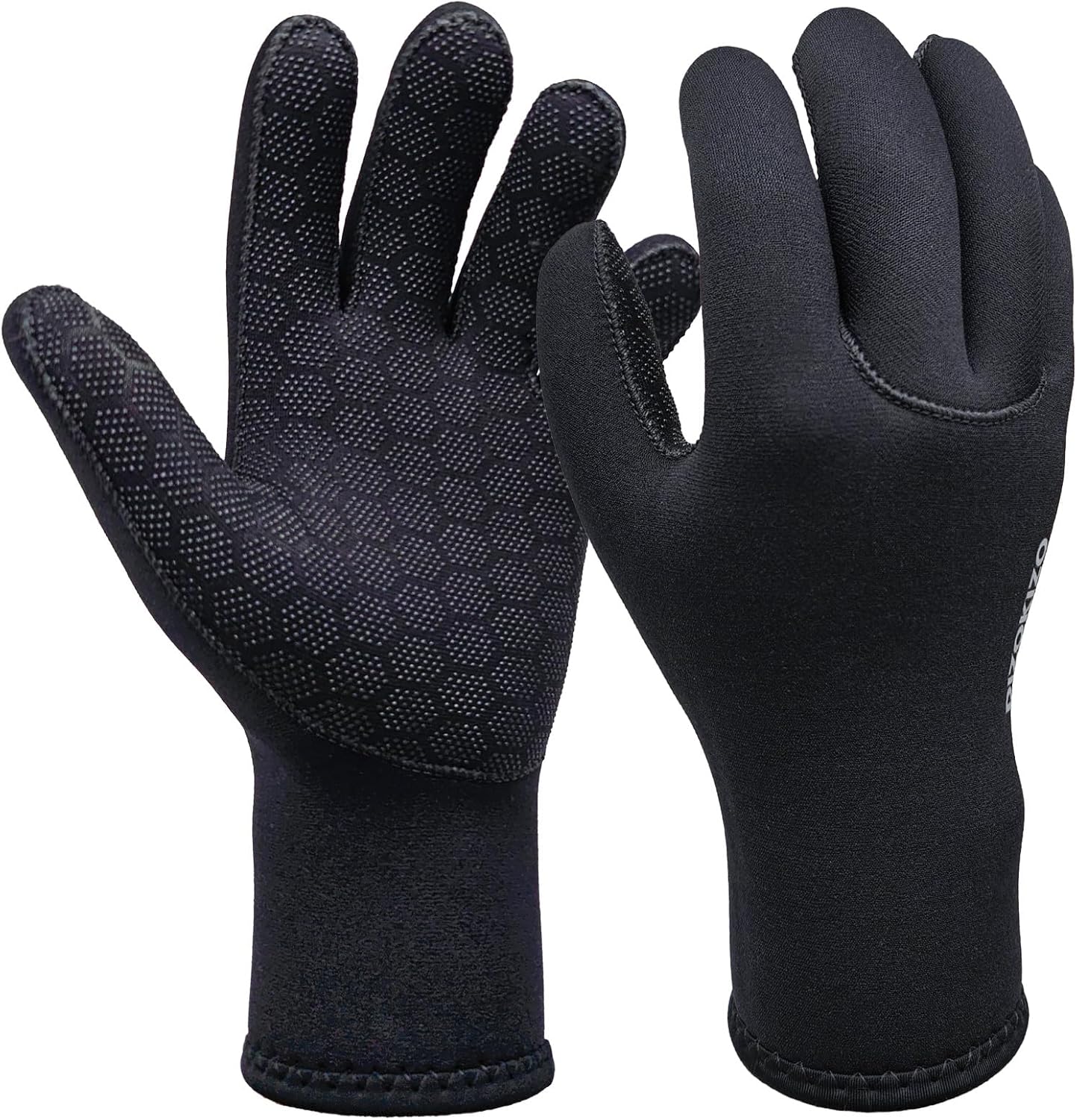
The product blocks below are curated for the specific reader this pillar addresses. They are intentionally narrow -- not "everything for inland trout," but the lane that maps most cleanly from your steelhead skill stack to your first inland trout outings. SHA earns a small commission via Amazon Associates on these picks; the editorial selection is independent of that.
@curated-productsHonest gaps -- what this pillar cannot yet say at Tier 1-3
- No destination-specific picks. SHA does not yet have verified access + parking + regulations data for individual PA Class A streams or NY inland Trout Stream Management Plan waters. Destination pillars are deferred until that layer matures.
- No drive-time claims. Per the SHA scoping note, drive-time claims belong to the data layer (mapped + routed + traffic-aware), not to editorial. Destination-specific routing claims are deferred.
- No PA Class A biomass tables at the stream level. The categorical thresholds (40 kg/ha brown trout, 30 kg/ha brook trout) are Tier 1 PA Bulletin Vol 55 No 10. The list of specific streams that currently meet them is published by PFBC and changes between revisions; SHA is not yet syncing that list.
- The trophy-class adult brown trout streamer game in larger inland systems (Penns Creek, Spring Creek, Letort, Rapidan, Catskill systems) is a deeper specialty than this pillar covers. SHA may extend into it as the vertical matures.
- Stocked rainbow trout regional program differences (PFBC vs NYSDEC vs ODNR stocking schedules, harvest regulations, season opener mechanics) are deferred to the planned Pillar C -- Brown Trout Stocking Programs Across PA+NY+OH and an eventual sibling pillar on rainbow stocking.
Full source list
- Tier 1 -- Pennsylvania Bulletin Vol 55 No 10 (PA Class A wild trout designation criteria; biomass thresholds for brown + brook trout). PFBC.
- Tier 1 -- Pennsylvania Fish and Boat Commission. 2026 Trout Stocking Program Announcement (3.2 million adult trout stocked annually; preseason + in-season stocking dates).
- Tier 1 -- New York State Department of Environmental Conservation. Statewide Trout Stream Management Plan (5-category framework).
- Tier 1 -- New York State Department of Environmental Conservation. Spring 2026 Trout Stocking Summary (~1.9 million trout statewide).
- Tier 1 -- New York State Department of Environmental Conservation. Adirondack heritage strain brook trout program (Horn Lake, Little Tupper, Windfall strains).
- Tier 1 -- Ohio Department of Natural Resources. Inland trout program (Clear Fork of the Mohican; statewide rainbow trout releases).
- Tier 1 -- Eastern Brook Trout Joint Venture. Historic + current native brook trout range assessment (occupancy < 30% of historic range).
- Tier 3 -- US Geological Survey Nonindigenous Aquatic Species. SpeciesID 931 (Salmo trutta, US introduction history c. 1880).
- Tier 3 -- US Fish and Wildlife Service species profiles for Salmo trutta, Salvelinus fontinalis, and Oncorhynchus mykiss.
- Tier 3 -- Animal Diversity Web treatments of Salmo trutta, Salvelinus fontinalis, and Oncorhynchus mykiss.
- Tier 3 -- Jensen, A.J. et al. 2012. Ontogenetic dietary shift to piscivory in brown trout (~25-30 cm threshold).
- Tier 3 -- climateactiontool.org synthesis of brook trout thermal extirpation threshold (~68 deg F sustained).
- Tier 3 -- Nevada Department of Environmental Protection. Brown trout optimal growth temperature band (60-65 deg F).
- Tier 3 -- ODNR Lake Erie steelhead summer pelagic feeding documentation.
Common questions about translating steelhead skills to inland trout
Are steelhead and rainbow trout the same species?
Yes. Both are Oncorhynchus mykiss. Steelhead is the anadromous (lake-run / sea-run) life-history form; rainbow trout is the resident stream + lake form. In Lake Erie tributaries you target steelhead -- the same fish but expressing the lake-run migratory strategy. In inland PA, NY, or OH streams you may target stocked rainbow trout, which are hatchery fish released as catchable-size adults and do not migrate to and from a lake.
Can I use the same rod for both?
If you have a 9-foot 6-7 weight single-hand fly rod, that rod covers the overlap zone -- light enough for inland brown trout nymph + dry work, heavy enough for SHA tributary steelhead nymphing in low-water conditions. The two-hand stick is overkill on most inland trout water. The 4-5 weight 9-foot single-hand fly rod is the dedicated inland-trout tool the SHA reader most often adds.
What is the biggest mistake a steelhead angler makes their first time on inland trout water?
Overdressing the rig. The leader is too heavy, the tippet is too heavy, the fly is too big, and the wading is too aggressive. The inland trout sees you, the rig casts a shadow it would not cast in stained tributary water, and the fish moves before you cast. Downsize everything one or two steps from what your steelhead instinct says.
When is the summer window actually fishable for inland trout?
It depends on the stream's thermal profile. Spring-fed and higher-elevation systems can hold below 68 deg F through July and into August in normal years. Lower-elevation freestone streams without significant spring influence push past 70 deg F by mid-July and become ethically unfishable until cool September nights bring temperatures back down. Carry a stream thermometer and read it before you tie on.
Does my steelhead beadhead nymph box translate?
Partially. Sized #6-10 stonefly nymphs are still useful in larger inland trout pools and on bigger water (Penns, Slate Run scale). For most PA Class A small-water + NY headwater + OH Clear Fork work, the working size class is #14-18 mayfly + caddis + midge patterns. Your steelhead nymph box is the starting layer; the inland-trout addition is the smaller hatch-matching layer on top.
Are brown trout and brook trout in the same genus?
No. Brown trout (Salmo trutta) is in genus Salmo, the same genus as Atlantic salmon. Brook trout (Salvelinus fontinalis) is in genus Salvelinus, the char group -- the same genus as lake trout and Arctic char. They are different enough that the species themselves are not closely related; they share a common habitat and food web in the streams where their ranges overlap.
If I only own steelhead gear, can I fish inland trout right now?
Yes, for a starting outing. Take your 9-foot 7-weight steelhead nymph rod, drop down to 4X-5X tippet, tie on a size 12-14 beadhead Hare's Ear or Pheasant Tail, and find a brown trout pool. You will catch fish. You will be slightly overgunned and slightly clunky on hookset, but you will catch fish. The dedicated 4-5 weight 9-foot rod is a quality-of-life upgrade for committed inland-trout work; it is not a barrier to entry.
Image credits and licensing
- Hero image: Wild brown trout (Salmo trutta) from the CDFW Wild Trout Project, E. Walker River. Photo by Robert Waldron / California Department of Fish and Wildlife. CC BY 2.0. Source: Wikimedia Commons.
Continue learning
- Inland Trout Near Steelhead Alley -- the opener pillar covering the categorical frame + the three species + the three state-managed fishery contexts.
- Brown Trout Life Cycle -- the full brown trout lifecycle treatment including the piscivory shift at 25-30 cm and the three distinct fisheries (small-stream wild, large-stream wild, stocked tailwater).
- Brook Trout Life Cycle -- the native char lifecycle, headwater habitat constraints, and the conservation framing.
- Aquatic Insect Life Cycle: What is a Hatch? -- the load-bearing entomology pillar for inland trout dry-fly + hatch-matching work.
- Crayfish Life Cycle -- the forage class adult brown trout streamer anglers should know.
- Steelhead Forage Briefing -- the SHA Lake Erie steelhead forage anchor for comparison.
- Source Discipline + Tier Hierarchy -- how SHA labels Tier 1-5 sources and why destination-specific claims are deferred.