To most anglers, Steelhead Alley is a cold-weather fishery. We think of the tributaries—from the Rocky River to Twenty Mile Creek—as flowing stages for the autumn, winter, and spring migrations of Steelhead (Oncorhynchus mykiss). But when the calendar flips to June and water temperatures climb into the 70s, the steelhead retreat to the deep, cool thermal zones of Lake Erie's eastern basin. In their place, a diverse, fascinating assembly of warmwater fish species claims the gravel runs, shale ledges, and deep pools of the Alley.
To target these fish successfully and ethically, we must think like biologists. We must understand their thermal envelopes, spawning windows, foraging adaptations, and their winter migrations when the cold water returns.
The Summer Cast of Characters
Ten primary species dominate the Steelhead Alley streams and estuaries during the warm months. Each has evolved distinct physiological adaptations to thrive in warm, shallow, and sometimes turbid water:
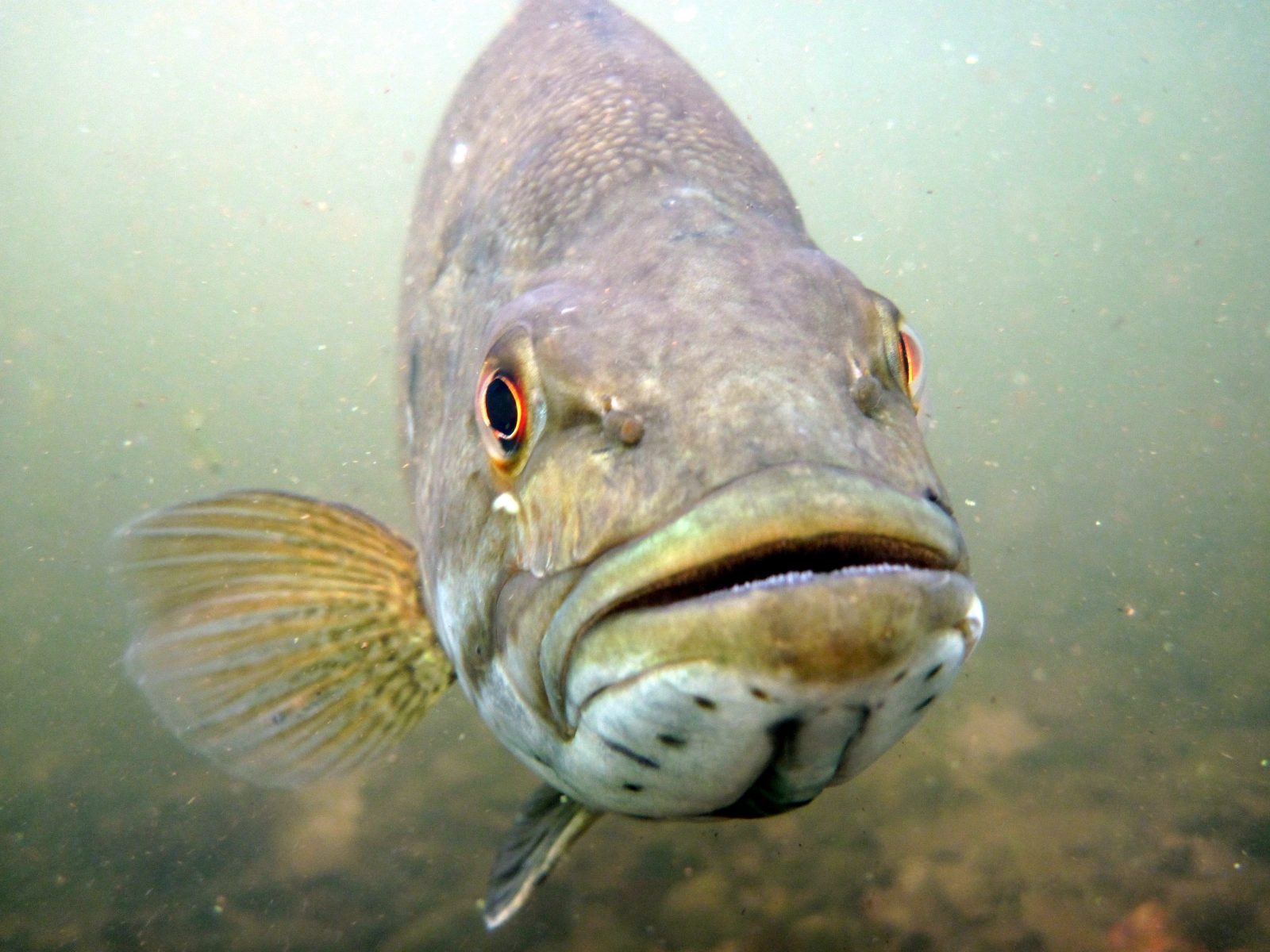
1. Smallmouth Bass (Micropterus dolomieu)
The undisputed apex predators of the summer creeks, Smallmouth Bass migrate out of Lake Erie into the tributaries in late spring to spawn and feed. They occupy the exact same shale ledges and pocket water where steelhead winter, waiting to ambush prey in swift runs.
- Thermal Range: Active feeding begins at 55°F, peaks between 65°F and 75°F, and slows significantly when temps exceed 82°F.
- Life Cycle: Spawning occurs in late May through June when water temperatures stabilize between 58°F and 64°F. Males build nests on gravel or sandy flats in slow-moving water, guarding the eggs and fry fiercely for up to three weeks.
2. Walleye (Sander vitreus)
While known as a deep-lake species, mature Walleye run into the lower reaches of major tributaries like the Grand River and Sandusky River in the spring. During the summer, they utilize deep river pools and murky estuary waters, using their highly reflective eyes (tapetum lucidum) to feed in low-light and nocturnal conditions.
- Thermal Range: Preferred temperature range is 55°F to 68°F. They migrate to deeper water or shaded structure during hot summer days and move to shallow shoals to feed at night.
- Life Cycle: Spawning occurs in early spring (March to April) in rocky river rapids. By summer, they focus entirely on predatory feeding, preying heavily on emerald shiners and gizzard shad.
3. Largemouth Bass (Micropterus salmoides)
Unlike smallmouth, Largemouth Bass prefer the slower, warmer backwaters, bayous, and heavily vegetated pools of the Alley's river systems (like the Cuyahoga and lower Grand). They are built for short, high-energy ambushes in cover rather than sustained fighting in heavy current.
- Thermal Range: High heat tolerance, active between 68°F and 85°F.
- Life Cycle: Spawning begins in late spring (58°F to 62°F). Males build nests in quiet bays and backwaters. In the summer, they hold tight to wood, weed beds, and lily pads, preying on panfish, frogs, and crayfish.
4. Northern Pike (Esox lucius) & Muskellunge (Esox masquinongy)
The toothy giants of the Alley. Northern Pike inhabit the slower, weedier middle sections of streams, while the larger and rarer Muskellunge hunt deep river channels. Both are stealth predators that rely on explosive speed to capture large fish.
- Thermal Range: Pike prefer cooler water (optimal 55°F to 65°F) and will seek deep, spring-fed holes or lake basins in late summer. Muskellunge are active in warmer water (optimal 65°F to 75°F).
- Life Cycle: Both spawn in early spring in flooded marshes or backwaters. In summer, they hunt near weed edges and submerged logs. Anglers must use wire or heavy fluorocarbon leaders tied with strong connections like the Palomar Knot to prevent cutoffs.
5. Yellow Perch (Perca flavescens)
While primary lake dwellers, school-size Yellow Perch frequently push into river mouth harbors and sluggish estuary pools in mid-summer, feeding on small minnows, bugs, and crustaceans along sandy bottoms.
- Thermal Range: Active in 60°F to 72°F.
- Life Cycle: Spawn in early spring (April–May) by draping gelatinous egg ribbons over submerged vegetation. In summer, they form large schools, providing excellent light-tackle fishing.
6. Crappie (Pomoxis) & Bluegill (Lepomis macrochirus)
These prolific panfish dominate the summer river backwaters. Crappie (both black and white) prefer submerged brush piles and log jams in slow water, while Bluegill spawn in large colonies of shallow circular nests along sandy river banks.
- Thermal Range: Active from 65°F to 80°F.
- Life Cycle: Crappies spawn in spring (58°F to 64°F); Bluegills spawn later (68°F to 75°F) and may nest multiple times throughout the summer. They are a primary forage base for bass, walleye, and pike.
7. Common Carp (Cyprinus carpio)
Carp are highly intelligent, muscular omnivores that graze on river bottoms. They offer some of the most exciting sight-fishing opportunities in the region, acting like "freshwater bonefish" on shallow flats.
- Thermal Range: Highly active in 65°F to 80°F. Their metabolism is highly temperature-dependent; they feed aggressively in warm water and go almost completely dormant in freezing temperatures.
- Life Cycle: Spawn in late May through June. They move into flooded grass or shallow marshes, thrashing violently as they broadcast adhesive eggs onto vegetation.
8. Channel Catfish (Ictalurus punctatus)
Catfish are nocturnal predators and scavengers that navigate using an array of chemical sensors on their barbels (whiskers), allowing them to feed in muddy water after summer storms.
- Thermal Range: Preferred temperature range is 70°F to 84°F. They spawn late in the season, typically from mid-June through July when water temps cross 70°F.
- Life Cycle: Cavity nesters. Males select dark, enclosed spaces (under logs, undercut banks, or rocks) and guard the nest until the young disperse.
9. Freshwater Drum / Sheepshead (Aplodinotus grunniens)
Drum are deep-bodied mollusk-eaters that enter the lower sections of tributaries in massive numbers during early summer. They use specialized muscles to vibrate their swim bladders, producing a low drumming sound during spawning.
- Thermal Range: Active in 60°F to 75°F. They spawn in open river pools during June when water temps hit 65°F.
10. The Coldwater Benchmark: Brown Trout (Salmo trutta)
Unlike the warmwater summer species, Brown Trout are coldwater fish. Resident brown trout in spring-fed headwaters of rivers like the Cattaraugus or select PA creeks are highly sensitive to summer heat. When river temperatures cross 68°F, they experience severe thermal stress, and temperatures above 73°F are rapidly lethal.
Thermal Boundaries and Migration Triggers
Unlike warm-blooded land animals, fish are ectothermic—their body temperature and metabolic rate are governed entirely by the surrounding water. Temperature is the invisible barrier that dictates when and where these fish move.
Read the Water Like a Biologist
Summer decisions should start with temperature, oxygen, and habitat. The exact numbers vary by stream, flow, and species, but this matrix is the practical field version for Steelhead Alley anglers.
| Water signal | What it means | Better target or tactic |
|---|---|---|
| Coldwater pockets and spring seep influence | Thermal refuge can hold trout, but those fish are often conserving energy. | Observe, photograph, and leave resident trout alone during heat waves. |
| Riffle heads, pocket water, and shaded current | Moving water mixes oxygen and positions baitfish, crayfish, and smallmouth. | Smallmouth, rock bass, and walleye with jigs, streamers, tubes, and compact spinners. |
| Slow backwaters, wood, weeds, and stained pools | Warmwater predators and panfish use cover while trout lose the advantage. | Largemouth, bluegill, crappie, carp, and catfish with floats, soft plastics, or bait where legal. |
| Hot afternoons after several low-flow days | Dissolved oxygen can sag while fish recovery gets worse after long fights. | Fish early, use heavier tackle, keep fish wet, or switch to lakefront/harbor options. |
The Warmwater Summer Push (May–June)
As spring transitions to summer, Lake Erie warms faster near the shore than in its deep basins. This temperature gradient triggers a massive migration of smallmouth bass, drum, and carp into the tributaries.
- At 55°F: Smallmouth bass begin staging at the river mouths.
- At 60°F: Carp and drum push into the lower runs. Smallmouth begin nesting.
- At 65°F+: Full summer pattern. Fish disperse throughout the middle reaches of the rivers, utilizing riffles for oxygenation and deep pools for safety.
The Coldwater Autumn Retreat (September–October)
As summer fades, the process reverses. The shallow rivers cool down much faster than the massive thermal mass of Lake Erie. This cooling water triggers the summer species to vacate the rivers and seek refuge in the lake, just as the first steelhead begin their upstream migration.
- At 60°F: Drum and catfish push back down to the lake mouths. Carp feed heavily in deep pools to build fat reserves.
- At 50°F: The migration trigger for smallmouth bass. Bass vacate the shallow flats and headwaters, moving down to deep wintering holes in the lower rivers or migrating out into Lake Erie to find rocky structures in 20 to 40 feet of water.
- Below 45°F: Summer species are largely gone or inactive. The metabolic rate of carp and smallmouth drops to near-zero; they enter a state of semi-torpor, holding tight to the bottom in deep, slow-moving water to conserve energy. The river belongs entirely to the coldwater steelhead, brown trout, and whitefish.
Summer-to-Fall Calendar
| Window | Dominant pattern | Best move |
|---|---|---|
| June | Smallmouth spawning and post-spawn recovery; carp, drum, and catfish become reliable in lower rivers. | Respect visible beds, fish single hooks, and release bass at the capture spot. |
| July-August | Warmwater fish rule the tributaries while trout and steelhead are lake-oriented or locked into refuge. | Fish dawn, shade, riffle entries, creek mouths, harbors, and deeper pools. |
| September | Cooling nights start the handoff from summer species to early steelhead scouting. | Watch rain, water temperature, and lakefront wind before expecting a real steelhead push. |
Rigging, Knots, and Tackle for Summer Species
Rigging for summer creek fishing requires adjusting to clear water and active, structure-loving fish. Because summer species are target-oriented, spinning and casting setups are widely favored.
- Leader Splicing: If you are spooled with braid for casting small lures or jigs, splice a fluorocarbon leader using the FG Knot or the Double Uni Knot to keep your presentation invisible to wary smallmouth and walleye.
- Terminal Tackle: Tie your swivels, jigs, and snaps with a Palomar Knot to ensure no slip in slick braided lines. For monofilament rigging, use the Improved Clinch Knot.
- Streamer Rigging: When fly fishing for smallmouth or pike with streamer patterns, tie your fly with a Non-Slip Mono Loop Knot. This loop allows the fly to pivot freely, generating a highly realistic jigging action in the river's pocket water.
- Building Leaders: Use the Double Surgeon's Knot or the Blood Knot to build custom-tapered leaders for fly fishing or sink-tip swinging.
- Curated Setups:
- To target smallmouth, pike, and walleye with hardware, check out the Budget Spinners & Spoons Setup.
- For fly-fishing streamers in deep pools, try the Swing & Streamer Setup.
- If you are float-fishing live bait or soft baits for catfish, carp, or bluegill, look at the Budget Float Fishing Setup.
Angler Intel: How to Target Them Ethically
Understanding the biology of these fish helps us become more effective and responsible anglers on the water:
1. Respect the Spawn
During June, male smallmouth bass are guarding nests. If you catch a male off a nest, the eggs will be consumed by round gobies or minnows within seconds. If you target bass in June, use single hooks, barbless hooks, and release the fish immediately in the exact same spot so they can return to defend their fry.
2. Summer Oxygen Depletion
Warm water holds significantly less dissolved oxygen than cold water. When water temperatures exceed 75°F, fighting a fish to exhaustion can cause fatal lactic acid build-up, even if it swims away.
The Fix: Target fish in well-oxygenated areas like riffle entries and pocket water. Use heavier tippets/leaders to land the fish quickly, keep them in the water during release, and revive them facing upstream until they kick out of your hand. Never target resident brown trout during heat stress conditions; if trout water is pushing the upper 60s or warmer, switch to smallmouth, carp, catfish, panfish, or lakefront species instead.
3. Match the Forage
Summer rivers are teeming with life. While steelhead feed primarily on insect drift and eggs, summer species are active predators of crawfish, shiners, round gobies, and terrestrial insects. Float-fishing soft plastic craws, swinging streamer flies, or sight-casting terrestrial grasshopper flies to carp on shale flats are the highly effective methods of the season.
Forage-First Summer Playbook
When steelhead are not the main event, the best summer pattern is usually the one that imitates the food source already moving through that section of river.
| Forage signal | Where to look | Presentation match |
|---|---|---|
| Crayfish on shale ledges | Riffle tails, pocket seams, bridge runs, and broken rock banks. | Small tubes, craw-pattern soft plastics, jigged streamers, and natural drifts along bottom. |
| Shiners, shad, and young-of-year baitfish | River mouths, harbor walls, lower pools, and shaded current edges. | Compact spinners, spoons, minnow plugs, Clouser-style streamers, and small swimbaits. |
| Round gobies and bottom-oriented prey | Lake-connected lower rivers, rocky flats, and deep shale shelves. | Short hops with football jigs, sculpin/goby flies, and bottom-contact plastics. |
| Terrestrials and surface insects | Grass banks, overhanging brush, slow flats, and carp cruising lanes. | Foam hoppers, beetles, small poppers, and light float rigs presented with minimal splash. |
Summer Biology FAQ
Can you catch steelhead in Steelhead Alley during summer?
It is possible to encounter trout or steelhead near coldwater refuge, harbor mouths, or lake-influenced water, but summer tributary fishing should usually shift toward warmwater species. Resident trout and stray steelhead are more vulnerable when water is warm and oxygen is low.
What species replace steelhead in the tributaries during summer?
Smallmouth bass, carp, channel catfish, freshwater drum, panfish, largemouth bass, pike, muskellunge, walleye, and yellow perch can all use Steelhead Alley rivers, river mouths, backwaters, or harbors during the warm months.
What water temperature is too warm for trout fishing?
As a practical catch-and-release rule, avoid targeting trout when water is in the upper 60s or warmer, especially during low flows and hot afternoons. Switch to warmwater species instead of forcing a trout bite in stressed water.
Where do river smallmouth hold in summer?
Look for current with nearby cover: riffle heads, ledge drops, boulder pockets, bridge runs, shaded banks, and the first deep pool below fast water. They often feed where crayfish and baitfish are easiest to trap.
Why are dawn and evening better in July and August?
Water is usually cooler and oxygen conditions are often more favorable than during hot afternoons. Low light also lets bass, walleye, drum, catfish, and carp move shallower and feed with less pressure.
Source Notes for Temperature and Ethics
- U.S. EPA dissolved oxygen guidance explains why warmer water holds less oxygen and why oxygen-sensitive species are affected first.
- Pennsylvania Fish and Boat Commission climate plan ties water temperature, dissolved oxygen, flow shifts, and aquatic species distribution together.
- NYSDEC I FISH NY beginner guide gives a conservative public-facing heat-stress warning for trout catch-and-release decisions.
- ODNR Lake Erie Fishing Guide is the regional reference point for Lake Erie tributary species, regulations, and seasonal context.
By understanding the seasonal clock and thermal triggers of Steelhead Alley, we can enjoy world-class fishing twelve months a year—transitioning from chrome steelhead in the winter to hard-fighting smallmouth and carp under the summer sun.
Continue learning
- The Steelhead Alley Seasonal Calendar -- the full annual rhythm; summer is one section of the year.
- Inland Trout Near Steelhead Alley -- the inland-trout vertical opener -- the coldwater alternative when Alley tribs warm past fishability.
- Inland Trout vs Steelhead -- the audience-translation pillar for SHA readers shifting from steelhead to resident inland trout work in the summer.
- Steelhead Forage Briefing -- the lake-side forage framework underneath the summer pelagic feeding cycle.